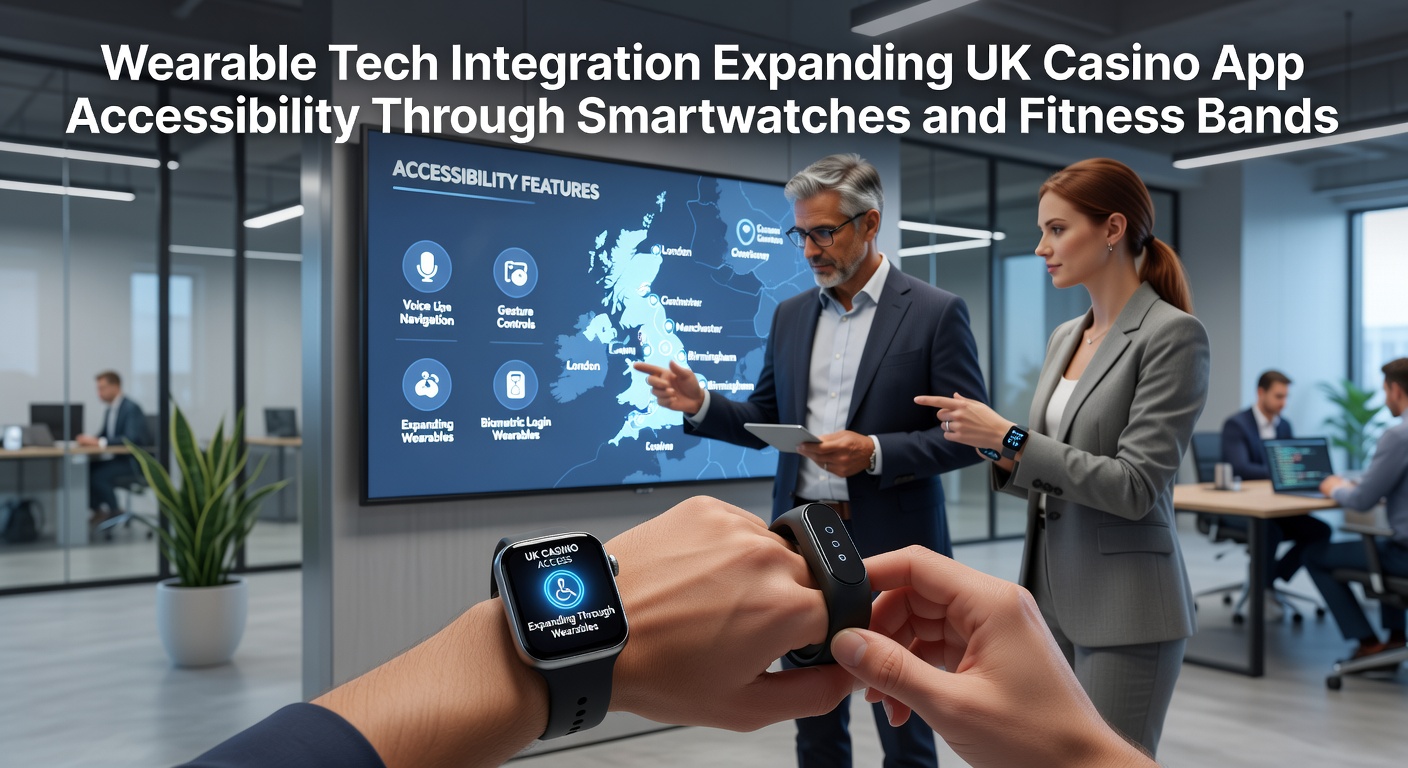
Smartwatches and Fitness Bands Open Fresh Avenues for UK Casino App Engagement
Smartwatches and fitness bands connect directly with casino applications on mobile devices, allowing users to receive real-time updates without reaching for their phones every time. These wearable devices sync through established operating systems, delivering alerts on game availability, account balances, and promotional offers straight to the wrist. Research from technology adoption studies shows that such integrations reduce the steps needed to check casino platforms, particularly when users move between locations throughout the day.
App developers have built compatibility layers that let smartwatches handle basic interactions such as viewing slot results or confirming deposit confirmations. Fitness bands add another layer by monitoring physical activity levels and feeding that data back into responsible gaming tools embedded in the applications. Observers note that this combination creates continuous access points while maintaining security protocols already present in phone-based systems.
Technical Connections Behind the Scenes
Developers use application programming interfaces from major hardware providers to link casino software with wearable operating systems. These connections support glanceable information displays through complications on watch faces, where users see live jackpot figures or session timers at a glance. Data indicates that users who enable these features interact with their accounts more frequently during short breaks at work or while commuting, because the information appears without unlocking a full screen.
Fitness bands contribute through heart rate and step tracking modules that some applications pair with session reminders. When activity levels drop below certain thresholds, the band vibrates with a message pulled from the casino app about taking breaks. This setup draws on existing health data frameworks rather than creating entirely new tracking systems, which keeps integration costs lower for operators rolling out updates.
Accessibility Gains for Different User Groups
People with mobility considerations benefit when smartwatch controls replace repeated phone taps for navigation inside casino apps. Voice commands on compatible watches allow balance checks or game launches through spoken instructions, reducing reliance on touchscreens during travel or in crowded environments. Figures from accessibility reports reveal higher completion rates for simple account tasks when wearable options remain available alongside standard mobile interfaces.
Older users who already wear fitness devices for health monitoring discover that the same hardware doubles as a casino access tool. Notifications arrive through familiar vibration patterns, and larger watch faces display information at readable sizes without needing to zoom on a phone screen. Industry data collected across multiple regions shows steady growth in wearable-linked sessions among users aged forty-five and above since hardware makers expanded third-party app support.
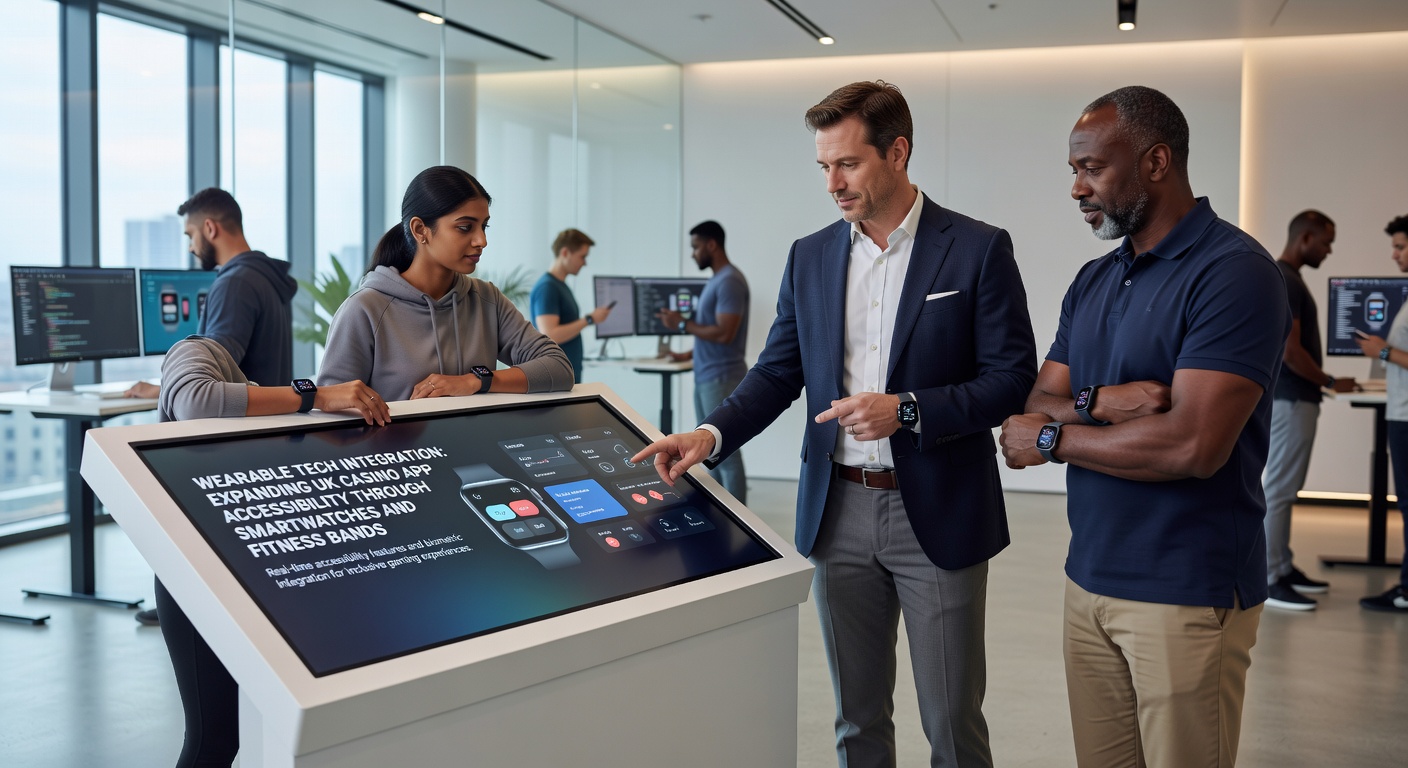
Regional Developments and May 2026 Milestones
Hardware launches scheduled for May 2026 introduce improved always-on displays and longer battery life that support extended casino session monitoring. These updates arrive alongside software patches that refine how applications push lightweight data packets to wearables, cutting down on connection delays. Operators testing early versions report smoother performance during peak evening hours when thousands of users check promotions simultaneously.
Cross-border comparisons highlight differences in rollout speed. Canadian provincial regulators have documented faster adoption curves for wearable features in their licensed markets, while Australian state authorities track similar patterns through quarterly technology surveys. The patterns suggest that once core payment and notification links stabilize, expansion follows quickly across connected devices.
Security and Compliance Considerations
Encryption standards already used in phone-to-wearable communication carry over to casino data streams, protecting transaction details and personal identifiers. Two-factor authentication sequences often complete through the watch itself when the phone stays in a pocket or bag. Reports from security firms indicate that these shortened flows do not increase breach incidents compared with phone-only logins, provided users keep firmware updated.
Operators maintain audit logs that capture every wearable interaction, matching them against existing responsible gaming flags. When a user sets daily limits through the main app, the same thresholds apply to wrist-based notifications, preventing overrides. This unified approach satisfies oversight requirements without requiring separate rule sets for each device type.
Future Integration Paths
Upcoming firmware releases will allow deeper biometric pairing, such as using heart rate variability as an optional session pause trigger. Academic studies from European technology institutes have examined how such signals correlate with decision-making patterns, offering operators data points they can incorporate into voluntary tools. The same research tracks user retention when these features remain optional rather than mandatory.
Partnerships between device manufacturers and app studios continue to refine complication layouts, making casino information appear alongside weather or calendar entries on the watch face. This placement keeps the experience integrated into daily routines instead of isolating it as a separate gaming channel. Data shared at international gaming technology conferences shows consistent month-over-month increases in active wearable connections where these layouts receive regular updates.
Conclusion
Wearable integration expands how users reach casino applications on a practical level by turning existing devices into secondary interfaces. Smartwatches handle quick glances and voice commands while fitness bands add activity-based reminders that align with broader health tracking habits. Developments scheduled around May 2026 build on current foundations, adding display and battery improvements that support longer, more reliable connections. Security measures stay consistent across devices, and compliance systems treat all access points under unified rules. The result is broader reach without new hardware requirements for most users already carrying phones and wearing basic fitness trackers.