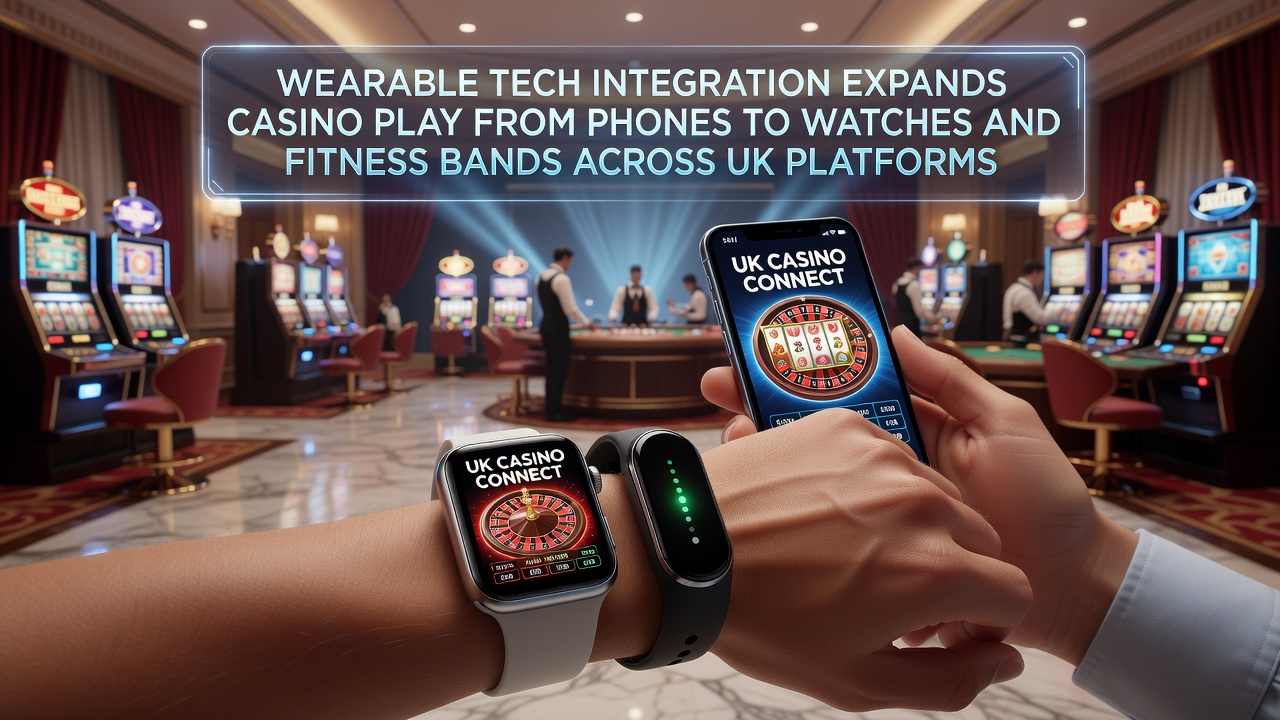
Smartwatches and Fitness Bands Extend UK Casino Access Beyond Mobile Screens
UK casino operators have rolled out wearable integrations that let users place bets, spin reels, and join live dealer tables directly from smartwatches and fitness bands, moving beyond phone-only experiences that dominated earlier years. These connections rely on Bluetooth pairing and companion apps that push simplified interfaces to smaller screens, while core account functions and payment processing stay anchored on the linked phone or tablet. Data from industry reports indicates steady growth in wearable-enabled sessions, especially during commutes and short breaks when pulling out a full phone feels less convenient.
How the Technology Connects Devices
Developers use lightweight APIs from Apple WatchOS and Google Wear OS to handle quick actions such as confirming a spin, checking account balance, or receiving game notifications without opening the main app. Fitness bands from brands like Fitbit and Garmin receive even more stripped-down prompts, often limited to alerts and one-tap confirmations because their displays lack full touch navigation. One study from the European Gaming and Betting Association tracked session lengths across connected devices and found wearable users completed shorter but more frequent interactions compared with phone-only players.
Security protocols mirror those already in place for mobile apps, requiring biometric confirmation on the wearable itself before any wager processes. Encryption covers data in transit between the band or watch and the operator's servers, while geo-location checks continue through the paired phone's GPS. Observers note that these layers reduce friction for routine tasks yet still route larger withdrawals or account changes back to the primary device for extra verification steps.
Platform Adoption Patterns Across the UK
Major UK-facing operators began testing wearable features in late 2025, with broader launches occurring through spring 2026. By August 2026 several established apps had added dedicated watch faces and band widgets that display real-time slot results or live dealer queues. Integration depth varies: some platforms offer full game lobbies on larger smartwatch screens, while others restrict wearables to notification and quick-bet functions only. Compatibility lists published by the operators show support for recent Apple Watch Series models, Samsung Galaxy Watches, and select Garmin devices running the latest firmware.
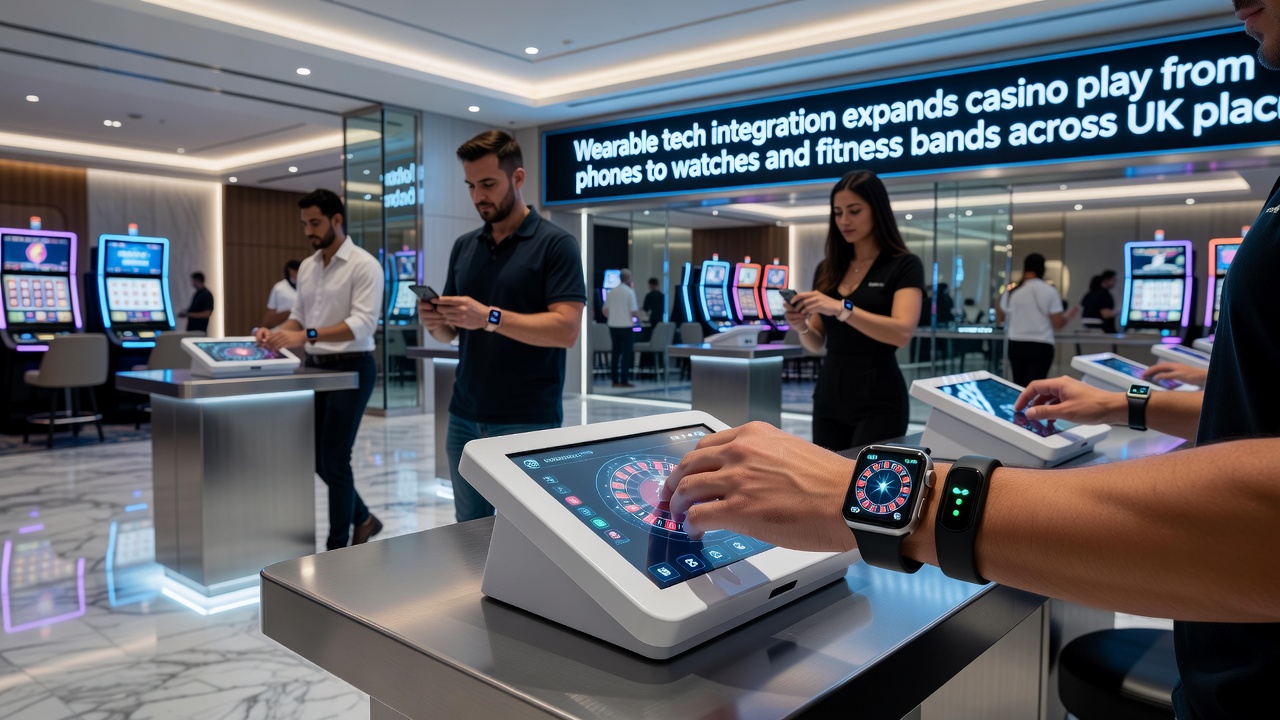
Game Types and User Interactions
Slot titles adapted for wearables typically feature simplified reel animations and larger tap targets to suit smaller displays. Live dealer games appear through status updates rather than full video feeds, letting users join tables or place side bets via wrist taps while the main action streams on a nearby phone. Table game shortcuts, such as quick blackjack decisions or roulette chip placements, appear in compact menus that sync instantly across devices once the session starts. Research published by the International Gaming Institute at the University of Nevada documented similar cross-device patterns in other regulated markets and noted that wearable users frequently switch between devices within the same gaming session.
Push notifications for promotions or game invites arrive on the wrist without requiring the phone screen to light up, which some operators link to higher return rates during fragmented daily schedules. Battery impact remains modest because most casino-related processes run through the paired phone, leaving the wearable to handle only lightweight data packets. Users who enable these features report setting custom vibration patterns to distinguish casino alerts from fitness or message notifications.
Regulatory and Technical Considerations
Operators must maintain the same responsible gambling tools across all connected devices, including session timers and spending limits that sync automatically between phone and wearable. Technical teams address latency by caching small game assets locally on the watch, reducing reliance on continuous data streams. Figures from the Responsible Gambling Council in Canada show comparable device expansion in other jurisdictions produced no measurable rise in problem gambling indicators when existing safeguards remained consistent. UK platforms apply equivalent checks, routing any self-exclusion status through the central account rather than individual device settings.
Future Developments Expected by Late 2026
Industry analysts anticipate deeper sensor integration, such as heart-rate data influencing game pace or stress-level prompts that suggest breaks. Newer fitness bands with larger AMOLED screens may soon support more complex interfaces, potentially allowing short sessions entirely on the wrist. Software updates scheduled for autumn 2026 are expected to improve multi-device handoff speeds, letting users move from watch to phone mid-game without restarting. Partnerships between casino software providers and wearable manufacturers continue to expand the list of supported models, broadening access for users who prefer fitness-focused hardware over traditional smartwatches.
Conclusion
Wearable integration has shifted UK casino play from phone-centric models to a multi-device ecosystem that includes watches and fitness bands. The changes rely on existing security frameworks, synchronized account controls, and simplified interfaces tailored to smaller screens. Data collected through August 2026 shows growing session frequency across these devices, while core compliance measures stay unified through the primary account. As hardware capabilities advance, operators continue refining how these compact interfaces connect users to games without altering the underlying regulatory structure.