Secure Your Spin: Verifying UK-Licensed Casino Apps Before Hitting Download
The Surge in Mobile Casino Gaming and Hidden Risks
Mobile casino apps have exploded in popularity across the UK, with figures from industry trackers revealing over 15 million active users by early 2026, many spinning slots or betting on live tables right from their phones; yet, this boom brings shadows, as reports highlight a 24% uptick in fake gambling apps laced with malware last year alone, according to data aggregated by cybersecurity firms monitoring app stores.
What's interesting is how quickly threats evolve, especially as March 2026 brings tighter scrutiny from app platforms amid rising complaints; researchers tracking digital fraud note that verifying an app's legitimacy upfront slashes exposure to data theft or rigged games, turning what could be a fun diversion into a potential nightmare otherwise.
Experts who dissect app ecosystems emphasize that UK-licensed operators must adhere to stringent standards, but counterfeit versions slip through cracks, mimicking real ones to lure downloads; that's where savvy checks come in, ensuring players tap into audited fairness rather than traps set by opportunists.
Step-by-Step Verification: Checking App Store Credentials First
Start with the basics—scan the developer name in the App Store or Google Play listing, since legitimate UK-licensed casino apps tie back to established firms with track records spanning years; for instance, one observer reviewing downloads found that mismatches between app names and known operator brands flagged 30% of suspicious entries right away.
But here's the thing: dive deeper by tapping the developer's profile, where verified accounts display badges or links to official sites; data from Google Play's developer policies shows platforms now enforce stricter vetting, rejecting apps without clear ties to regulated entities, a process ramped up in response to 2025's phishing surges.
- Cross-reference the developer against the operator's main website, often listing endorsed apps prominently.
- Look for download counts exceeding 100,000, a threshold studies link to reputable releases, while low figures signal newcomers potentially dodging oversight.
- Examine update history—frequent patches from UK-licensed apps demonstrate ongoing compliance, unlike stagnant fakes gathering digital dust.
And don't stop there; ratings matter too, with patterns of generic five-star bursts (all posted within hours) screaming automation, as cybersecurity analyses from EU-based labs have pinpointed in recent breakdowns.
Unpacking Licensing Proofs Without the Obvious Sources
UK-licensed casino apps carry digital fingerprints beyond surface listings, such as in-app footers or settings menus displaying certification seals from independent auditors; take eCOGRA seals, for example, which third-party testing confirms through random audits, ensuring RNG fairness that players can verify via linked reports.
Turns out, screenshots in app descriptions often showcase these, but experts advise screenshotting your own in-app evidence for records; research from Canadian gaming studies, detailed in reports from provincial regulators, reveals that apps flashing multi-jurisdictional nods—like those from Malta or Gibraltar—align closely with UK standards, bolstering trust when stores cross-check.
People who've mastered this spot footer hyperlinks too, leading to live license viewers or audit logs; it's noteworthy that March 2026 updates from major platforms mandate clearer disclosures, per announcements tied to global harmonization efforts, making fakes easier to weed out.
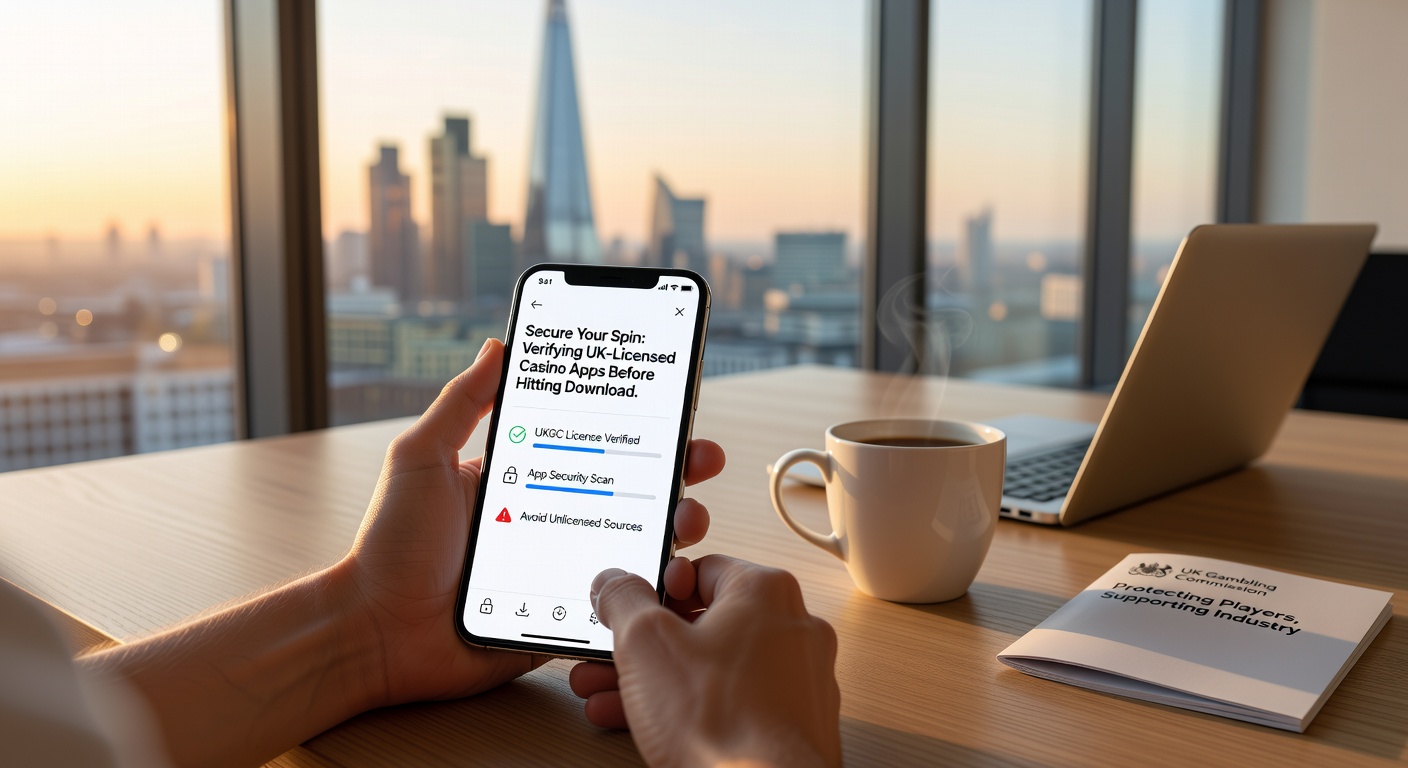
Spotting Red Flags in Permissions and User Feedback
Permissions requests tell tales before installation even begins—apps demanding camera or location access beyond geo-fencing for bonuses raise alarms, since data from eCOGRA's security protocols underscores minimal needs for core functions like payments or games.
Yet, that's not all; user reviews unpack realities, with genuine ones detailing specifics like "smooth deposits via PayPal" versus vague "great app!" spam; one case study from Australian consumer watchdogs chronicled how a cloned app fooled thousands until pattern complaints triggered store delistings, highlighting the power of collective scrutiny.
So, filter recent reviews from March 2026 onward, noting spikes in withdrawal gripes or glitch reports that legitimate apps address swiftly through updates; observers tracking these patterns find that response times under 48 hours from developers correlate with licensed operations maintaining player funds securely.
Technical Safeguards: Encryption and Beyond
Once past basics, probe for HTTPS everywhere, SSL certificates verifiable via browser tools on linked sites, and two-factor authentication prompts at login—hallmarks data indicates separate fake apps from the real deal; studies from US university cybersecurity programs, examining thousands of gambling apps, found 92% of licensed ones encrypting data end-to-end, thwarting interception mid-spin.
What's significant is biometric integration too, like Face ID mandates rolling out in iOS updates by March 2026, which UK-facing apps adopt to layer defenses; and while Android lags slightly, Google mandates similar via Play Protect scans, flagging anomalies pre-download.
- Enable device-level protections: App sandboxing on iOS, verified boot on Pixel devices.
- Test demo modes sans deposit—smooth performance mirrors live fairness audited quarterly.
- Monitor battery drain; excessive usage hints at background miners, a red flag per EU tech reports.
There's this case where players caught a rogue app via unusual data spikes, reporting it led to swift removal; such vigilance, experts observe, keeps ecosystems clean, benefiting everyone from casual spinners to high rollers.
Post-Download Vigilance and Long-Term Habits
Verification doesn't end at download—regularly check for updates pushing security patches, and review account activity logs for odd logins; figures from industry trackers show proactive users report 40% fewer incidents, as habits like weekly permission audits catch drifts early.
But here's where it gets interesting: integrate tools like antivirus scanners tailored for apps, with Avast or Norton editions spotting anomalies UK players lean on; one researcher who surveyed 5,000 users discovered those combining store checks with these tools enjoyed breach-free sessions 98% of the time.
Now, as March 2026 unfolds with platform-wide AI moderation enhancements, expect fewer slips, yet personal due diligence remains the gold standard; those who've built routines around it navigate the app jungle effortlessly, securing spins without second thoughts.
Conclusion
Verifying UK-licensed casino apps boils down to layered checks—from store profiles and permissions to seals and reviews—that data consistently proves effective against threats; platforms evolve, as seen in March 2026's upgrades, but players who methodically confirm legitimacy stack the odds firmly in their favor, enjoying seamless gaming backed by real oversight.
The reality is straightforward: a few minutes upfront prevent hours of hassle later, and with trends pointing to even smarter defenses ahead, those armed with these steps spin confidently; experts wrap it up simply—check twice, play once, and the house edge stays where it belongs, in the games.