Real-Time Insights Crafting Unique Reward Systems for UK Mobile Casino Users
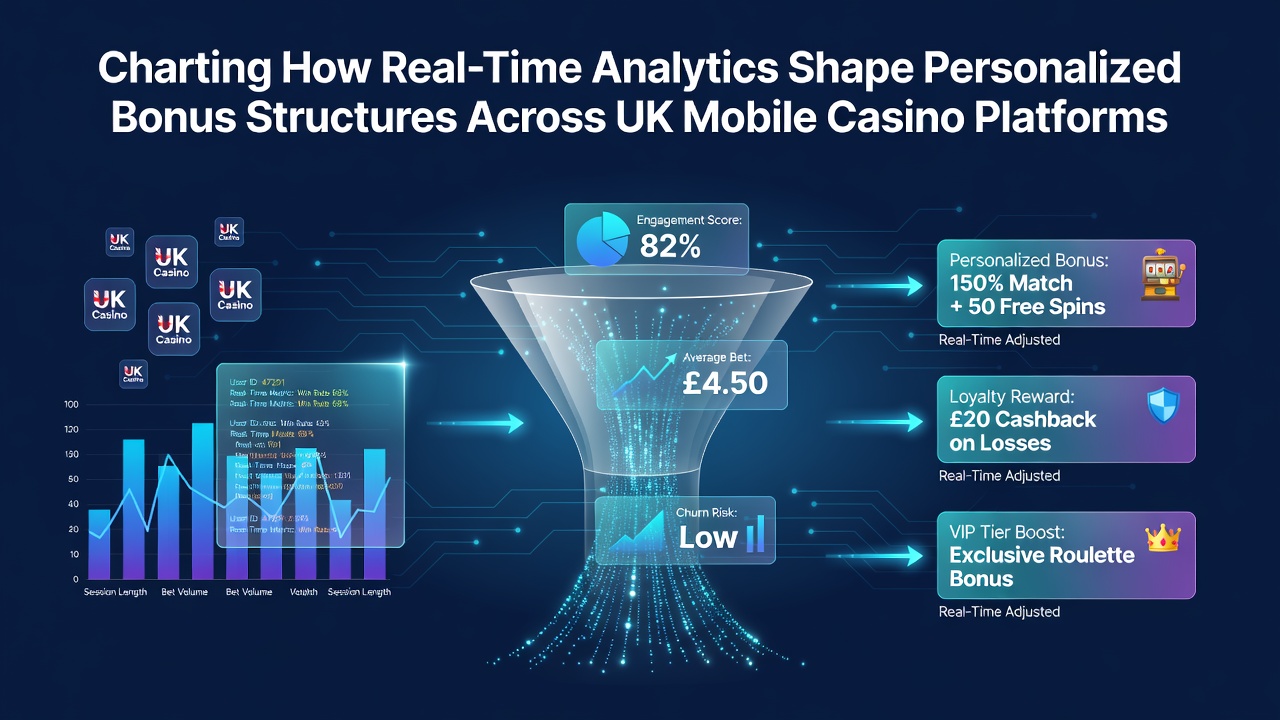
Operators across UK mobile casino platforms now rely on continuous data streams to adjust bonus offers while players remain active in sessions, and this approach has expanded steadily through 2025 into June 2026. Real-time analytics pull together information on bet sizes, game selections, session lengths, and deposit patterns, then feed those details into algorithms that generate offers such as tailored free spin packages or deposit match percentages. Those systems operate without manual intervention once initial rules are set, which allows adjustments within seconds rather than hours or days.
Data Inputs That Drive Offer Generation
Every tap and swipe on a mobile app contributes to the dataset that shapes the next bonus. Location within the app, time spent on specific slots versus table games, and even the sequence of wins or losses get recorded and analyzed on the fly. Platforms combine this behavioral information with account history such as previous redemption rates and average spend per session, then apply machine learning models that predict which incentive is most likely to prompt continued play. Research from the University of Nevada's International Gaming Institute shows that such layered inputs improve response rates compared with static bonus schedules that remain unchanged across an entire player base.
Session velocity matters as well. Players who move quickly between games receive different prompts than those who linger on single titles, and the timing of the last deposit influences whether an offer appears immediately or waits until a lull in activity. These variables interact continuously, so an individual who begins a session with small bets might see a modest free spin bundle appear first, while the same account could receive an escalated deposit match later if larger wagers follow.
Technical Architecture Behind Personalization
Most systems run on cloud-based pipelines that ingest event data through application programming interfaces, then process it in memory before the next screen loads. Edge computing nodes positioned near UK data centers reduce latency so offers reach the device before the player decides to leave the app. Segmentation occurs at multiple levels: broad cohorts based on lifetime value sit alongside micro-segments updated every few minutes, which permits offers that reflect only the current session rather than long-term averages. Industry reports compiled by the American Gaming Association document similar architectures in other regulated markets and note that processing times under 200 milliseconds have become standard for leading operators.
Examples of Offer Types Produced
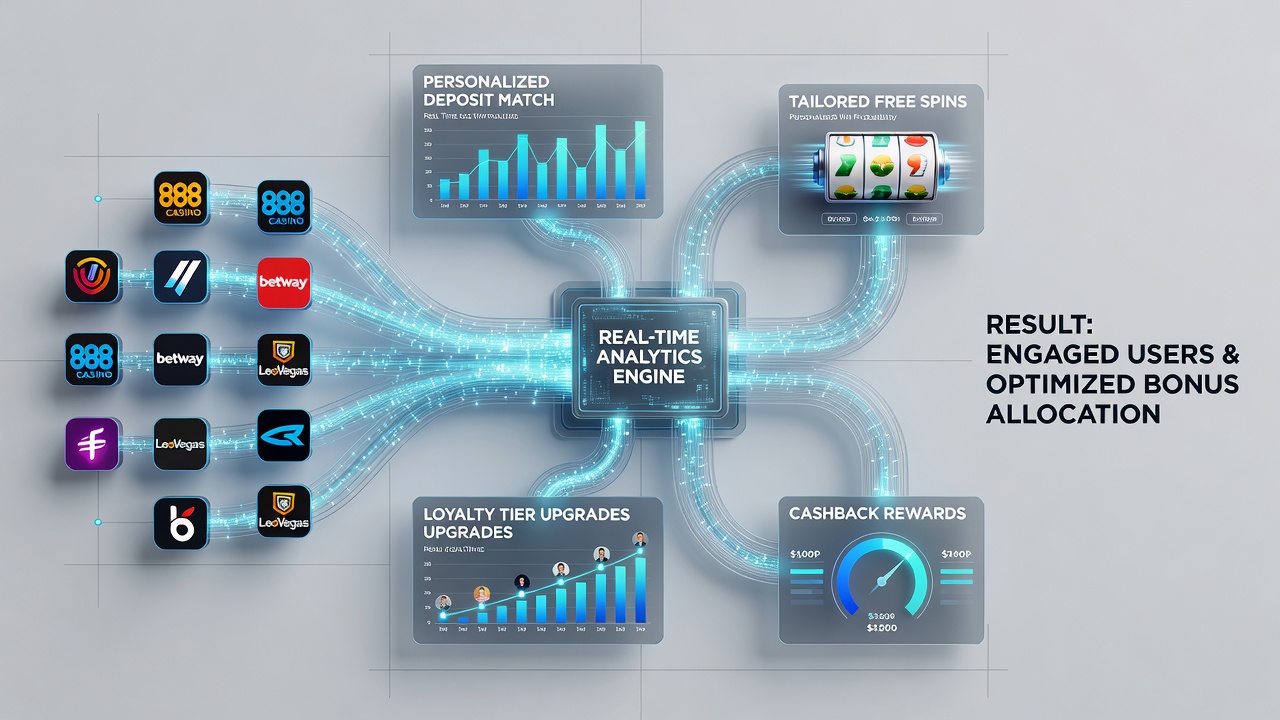
One common output appears as a deposit bonus scaled to the player's most recent transaction size, while another surfaces as a set of free spins on a title the account has not yet tried. Cashback percentages sometimes adjust dynamically during a session, rising after a string of losses or remaining lower after consecutive wins. Time-limited reload bonuses may activate only when the analytics engine detects a drop in activity, and those offers disappear if the player resumes normal play without claiming them. Observers note that such conditional triggers reduce wasted incentives because the offer reaches the player precisely when engagement metrics signal a decision point.
Multipliers on winnings represent another category shaped by real-time signals. Accounts that have reached certain play volume thresholds within the current hour might receive an automatic multiplier on the next qualifying win, whereas lower-volume sessions receive standard payout rates. These multipliers apply only to specific games selected by the algorithm, directing attention toward titles that align with the platform's current promotional goals.
Player Response and Retention Patterns
Data gathered across multiple operators indicates that players redeem personalized bonuses at higher rates than generic promotions distributed to entire user segments. The difference appears most pronounced among mid-tier accounts that previously showed inconsistent activity, where tailored offers coincide with renewed deposit patterns. Retention curves tracked over six-month windows reveal that accounts receiving session-specific incentives maintain longer active periods before entering dormancy. Figures compiled by independent research groups in Australia and Canada align with these observations and suggest the pattern holds across different regulatory environments that permit real-time marketing.
Conclusion
Real-time analytics have moved from experimental add-ons to core infrastructure on UK mobile casino platforms, and the pace of integration shows no sign of slowing as of June 2026. The combination of granular behavioral data, low-latency processing, and predictive modeling produces bonus structures that adapt to individual sessions rather than relying on fixed calendars. External sources such as American Gaming Association reports and academic studies from institutions tracking global gaming technology continue to document these developments across multiple jurisdictions, providing benchmarks that operators reference when refining their own systems.