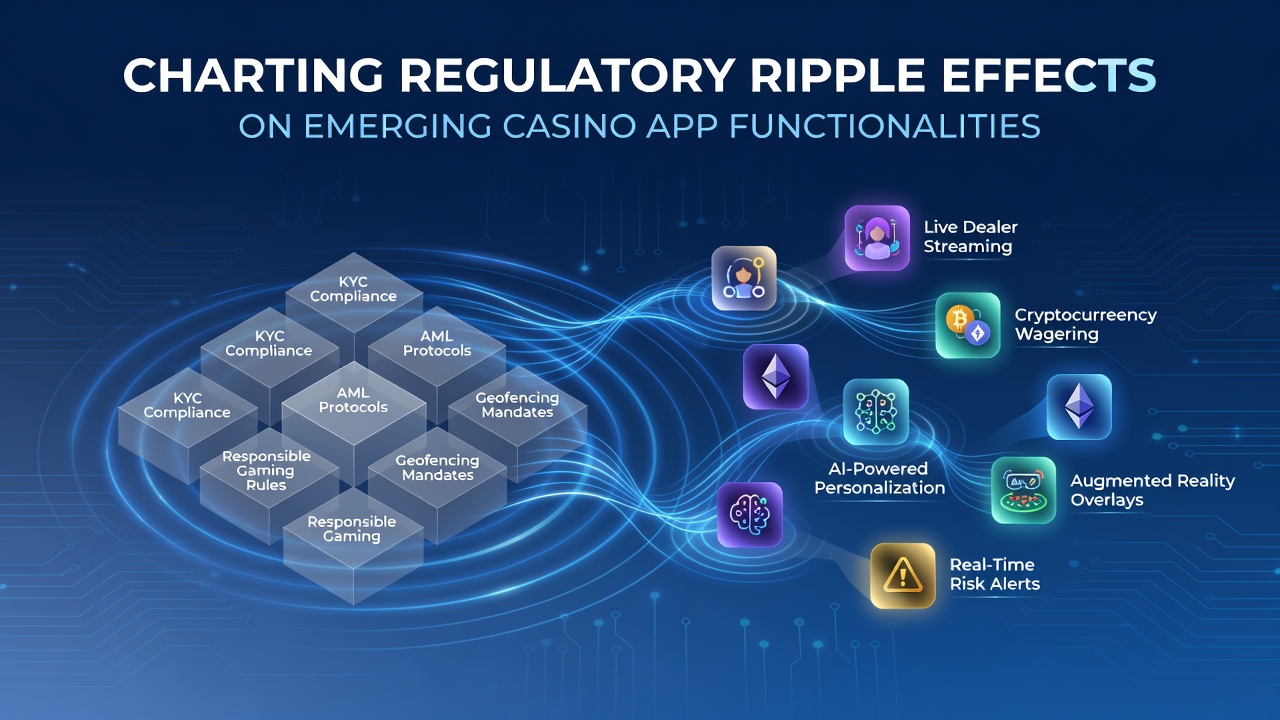
Policy Changes and Their Influence on Casino Application Innovations
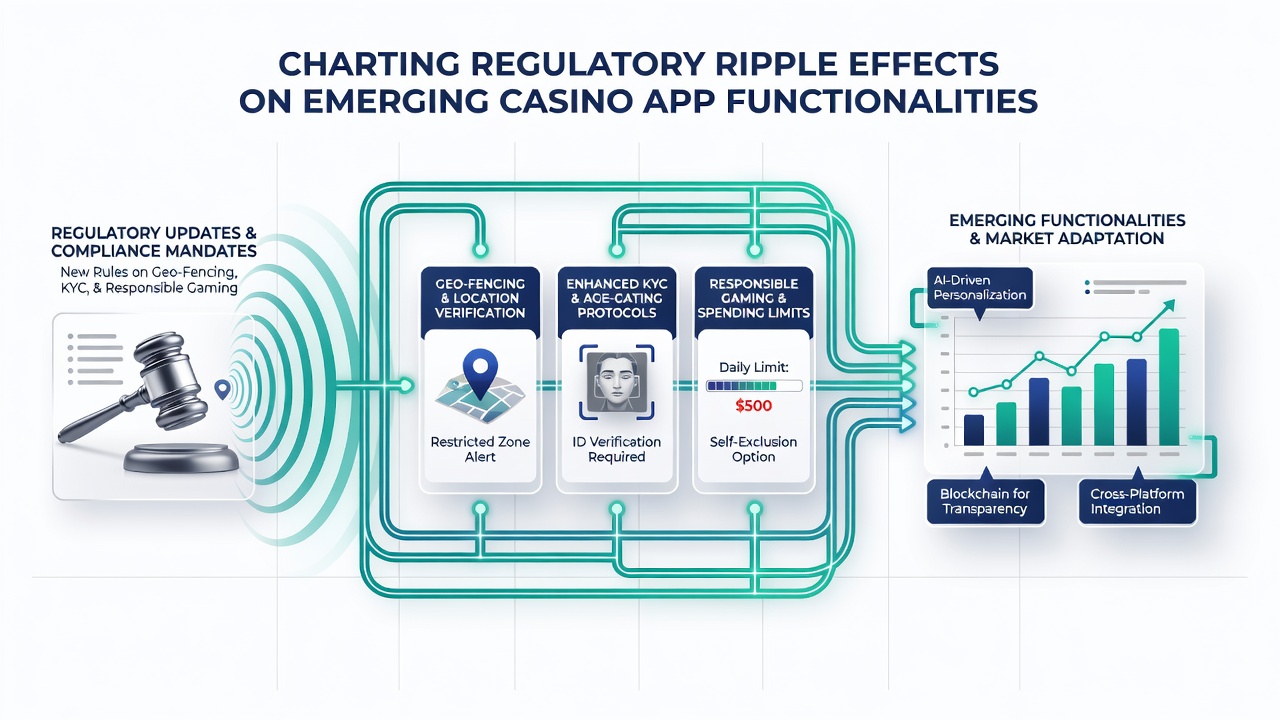
Regulatory developments across multiple jurisdictions continue to shape how casino applications introduce new functionalities, with developers adjusting designs to align with evolving compliance requirements while maintaining user engagement. Data from industry reports indicates that these adjustments often involve modifications to features such as real-time interactions, personalization algorithms, and transaction systems.
Observers note that when authorities implement updated standards on data handling and user verification, app creators respond by refining backend processes that support emerging tools like dynamic reward structures and location-aware promotions. Research indicates these shifts occur because compliance layers add specific constraints that influence coding priorities and testing protocols.
Adjustments in Multiplayer and Social Integration Features
Multiplayer elements in casino applications face direct pressure from rules governing fair play verification and participant eligibility checks. Developers incorporate automated monitoring systems that scan sessions for anomalies, which stems from requirements set by bodies like the Nevada Gaming Control Board. This integration allows simultaneous play across devices without violating session limits, and studies from academic institutions show that such additions extend development timelines by several weeks on average.
Shared tournament formats also undergo revisions when regulators emphasize transparency in outcome generation. Applications now embed provably fair mechanisms that users can audit independently, and figures reveal higher retention rates in regions where these tools appear early in rollout phases. The process connects directly to broader efforts that balance innovation speed against oversight demands.
Payment and Withdrawal System Adaptations
Transaction functionalities represent another area where regulatory ripples prompt substantial redesigns. New directives on anti-money laundering procedures require enhanced identity confirmation steps during deposits and cashouts, leading teams to integrate biometric options alongside traditional methods. Evidence from reports compiled by the Australian Communications and Media Authority highlights how these layers reduce processing speeds initially, yet subsequent optimizations restore efficiency within months.
Wallet integrations with external financial services evolve similarly, since rules often stipulate segregated fund management. Applications that adopt modular architectures handle these updates more fluidly, allowing quick swaps when policies change. In July 2026, several platforms rolled out revised interfaces that reflect these standards across multiple markets.
Personalization and Data Usage Constraints
Algorithms that tailor game recommendations and bonus offers encounter restrictions tied to consent and data minimization principles. Developers shift toward on-device processing models that limit external data transfers, and research from European university studies demonstrates measurable impacts on engagement metrics during transition periods. These changes encourage creation of lighter machine learning models that operate within tighter boundaries.
Notification systems also adapt when rules limit unsolicited communications. Apps implement user-controlled dashboards that govern alert frequency and content types, which connects to efforts that maintain marketing effectiveness under stricter guidelines. Data shows gradual improvements in user satisfaction scores once these controls stabilize.
Device Optimization and Battery Management Tools
Performance features such as background syncing and graphics scaling respond to regulations around energy consumption disclosures in certain markets. Applications include toggles that let users prioritize efficiency, while developers reference guidelines from Canadian provincial regulators to set default behaviors. This approach reduces complaints related to device drain and supports longer play sessions without hardware strain.
Cross-device continuity features benefit from similar considerations, since rules sometimes address session persistence across networks. Teams build in automatic pause functions that activate during detected connectivity issues, ensuring compliance while preserving seamless transitions for players who switch between phones and tablets.
Conclusion
Overall patterns indicate that regulatory environments drive incremental refinements rather than wholesale replacements of casino app functionalities. Teams that monitor updates from diverse sources like the Nevada Gaming Control Board and academic analyses maintain competitive edges through proactive architecture choices. These adaptations ensure continued feature expansion within defined operational frameworks, and ongoing data collection helps forecast further adjustments as policies mature in additional regions.