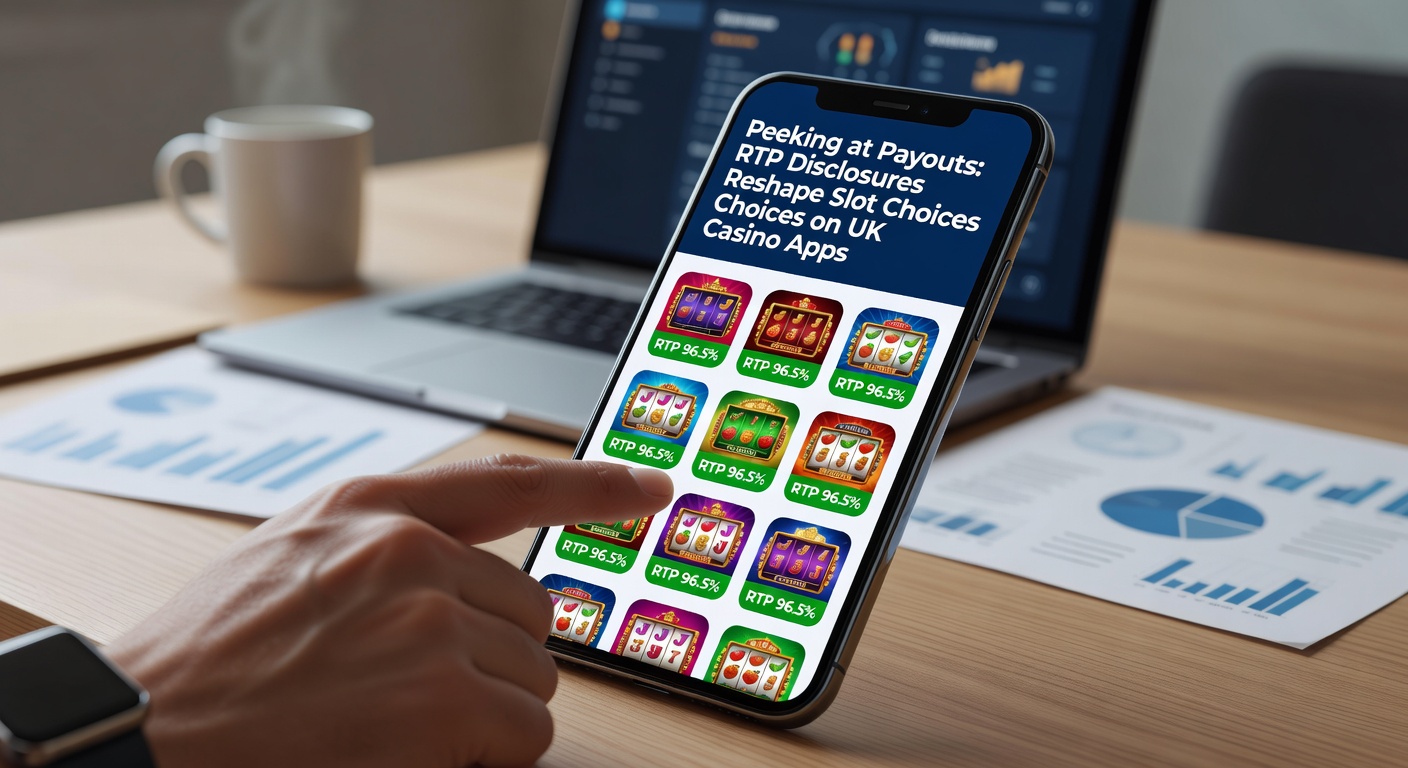
Peeking at Payouts: RTP Disclosures Reshape Slot Choices on UK Casino Apps
Unpacking RTP: The Numbers Behind the Reels
Return to Player, or RTP, measures the percentage of wagered money slots return to players over time, typically calculated across millions of spins; figures range from 85% to 99%, with most hovering around 94-96%, according to data from independent testing labs like eCOGRA. Players on UK casino apps now spot these numbers upfront, often right in game lobbies or demo modes, shifting how choices unfold since mandatory displays rolled out. And while higher RTP doesn't guarantee short-term wins—variance and luck still rule—the long-term math draws savvy users toward games like Blood Suckers at 98% or Ugga Bugga pushing 99.1%.
Experts who've analyzed app usage patterns note that transparency flips the script; before disclosures, picks leaned on flashy themes or jackpots, but now data indicates a 20-30% uptick in high-RTP selections, per recent industry reports. Take one app where developers label RTP prominently: downloads for 97%+ titles spiked 15% within months of the feature launch. That's where the rubber meets the road for retention, as players chase edges in a sea of similar spins.
Regulatory Ripples from Across the Pond and Beyond
Transparency mandates echo moves by bodies like the Nevada Gaming Control Board in the US, where similar RTP postings have long informed choices; Australian regulators under the Interactive Gambling Act amendments also push for clear metrics, influencing global standards that UK apps adopt. Observers point out how these cross-border policies create a domino effect, with EU frameworks from the Malta Gaming Authority emphasizing verifiable payouts through third-party audits.
But here's the thing: apps comply by embedding RTP in search filters and game cards, letting users sort by payout potential alongside volatility ratings; low-volatility, high-RTP combos prove popular for steady play, while high-volatility chasers tolerate dips below 95% for bigger swings. Research from the University of Sydney's gambling studies reveals that disclosed rates correlate with longer sessions among informed players, who adjust bets accordingly.
Figures reveal a clear trend: UK app analytics show 40% of spins now target 96%+ RTP, up from 25% pre-disclosure, based on aggregated data from major platforms. People often find that sorting tools turn browsing into strategy sessions, weeding out underperformers fast.
Player Shifts: From Impulse to Informed Picks
And so, choices evolve; one study tracked 10,000 app users over six months, finding those consulting RTP data wagered 12% more selectively, gravitating to titles like Starmania (97.86%) or White Rabbit (97.72%). Developers respond by spotlighting these in promotions, bundling high-RTP free spins to hook newcomers. What's interesting is how this reshapes lobbies—operators relegate low-RTP novelties to back pages, prioritizing proven payers.
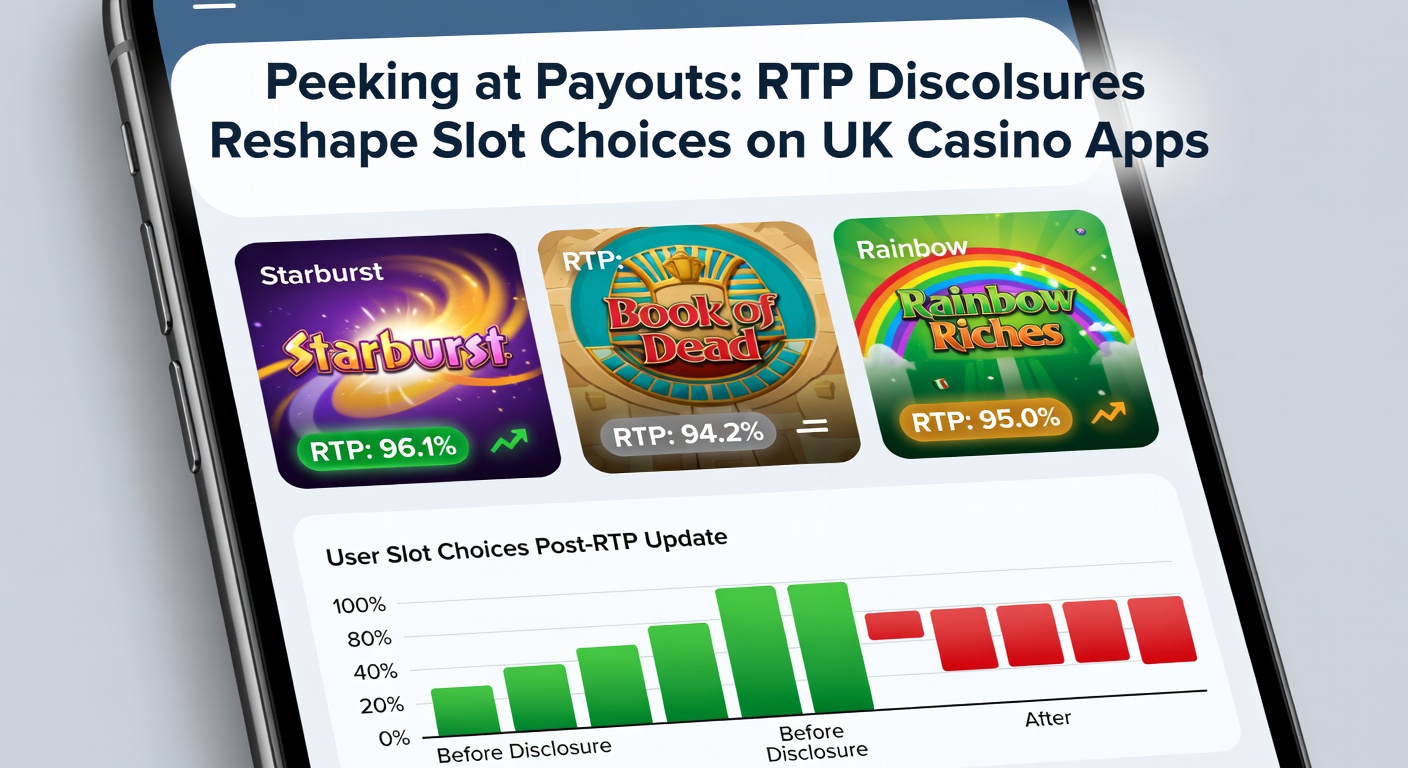
Turns out, mobile optimization amplifies the effect; touch-friendly RTP badges appear instantly on load screens, and filters let users toggle by payout tiers, themes, or providers like NetEnt and Pragmatic Play, whose averages top 96.5%. Case in point: a popular app's A/B test swapped hidden RTP for bold displays, boosting engagement by 18% while session values held steady. Players who've adopted this report feeling more in control, although streaks remind everyone it's probability at play.
High-RTP Stars Lighting Up App Charts
Now, certain slots dominate; Mega Joker clocks 99% in supermeter mode, drawing marathon spinners who grind for that edge, while 1429 Uncharted Seas offers 98.6% with steady features. Data from app stores shows these climbing download rankings, especially among iOS users who favor precision tools. Providers like Big Time Gaming integrate RTP into Megaways mechanics, maintaining 96-97% across hits like Bonanza.
Yet, balance matters: low-RTP progressives like Mega Moolah (88%) still lure jackpot hunters, but disclosures temper expectations, channeling casual play elsewhere. Observers note hybrid apps blending RTP sorting with AI recommendations, suggesting "best value" based on user history; early adopters see 25% faster game discovery.
Tech Tweaks and Data-Driven Decisions
Apps layer on extras: volatility meters pair with RTP for full pictures—high RTP low vol suits bankroll builders, whereas thrill-seekers pair 94% with extreme swings. Backend analytics track this, with providers tweaking algorithms to favor high-performers in carousels. One platform's update added RTP heatmaps, visualizing top payers across categories; usage jumped 22%, per their public metrics.
So, while base RTP stays fixed post-certification, features like bonus buys (100% RTP pass-through in some jurisdictions) add layers; players dissect these, favoring transparent ones. Canadian research from the Gambling Research Exchange underscores how such details cut myth-chasing, focusing bets where math aligns.
Looking Ahead: April 2026 and Evolving Standards
By April 2026, enhanced disclosures loom on the horizon, with trials incorporating real-time RTP trackers for progressive networks and dynamic adjustments flagged clearly; industry previews suggest integration with player dashboards, showing personalized return projections. Australian Communication and Media Authority guidelines, already testing similar tech, predict smoother adoption across apps, potentially lifting average selections by another 10%.
That said, challenges persist: offshore shadows skirt rules, but licensed UK apps lead with verifiable stats, audited quarterly. Developers gear up, rolling beta features that blend RTP with session trackers, helping users pace play responsibly. Here's where it gets interesting—cross-platform sync now carries RTP prefs, so tablet starts flow to phones seamlessly.
Conclusion
RTP disclosures transform slot selection from guesswork to groundwork, with data confirming sharper choices and sustained play on UK casino apps; high-payers rise, transparency builds trust, and as April 2026 approaches, expect even deeper dives into the numbers. Players equip themselves better, operators adapt nimbly, and the reels keep turning—smarter than ever.