
Joint Raids Uncover Unlicensed Gambling Operations in Doncaster
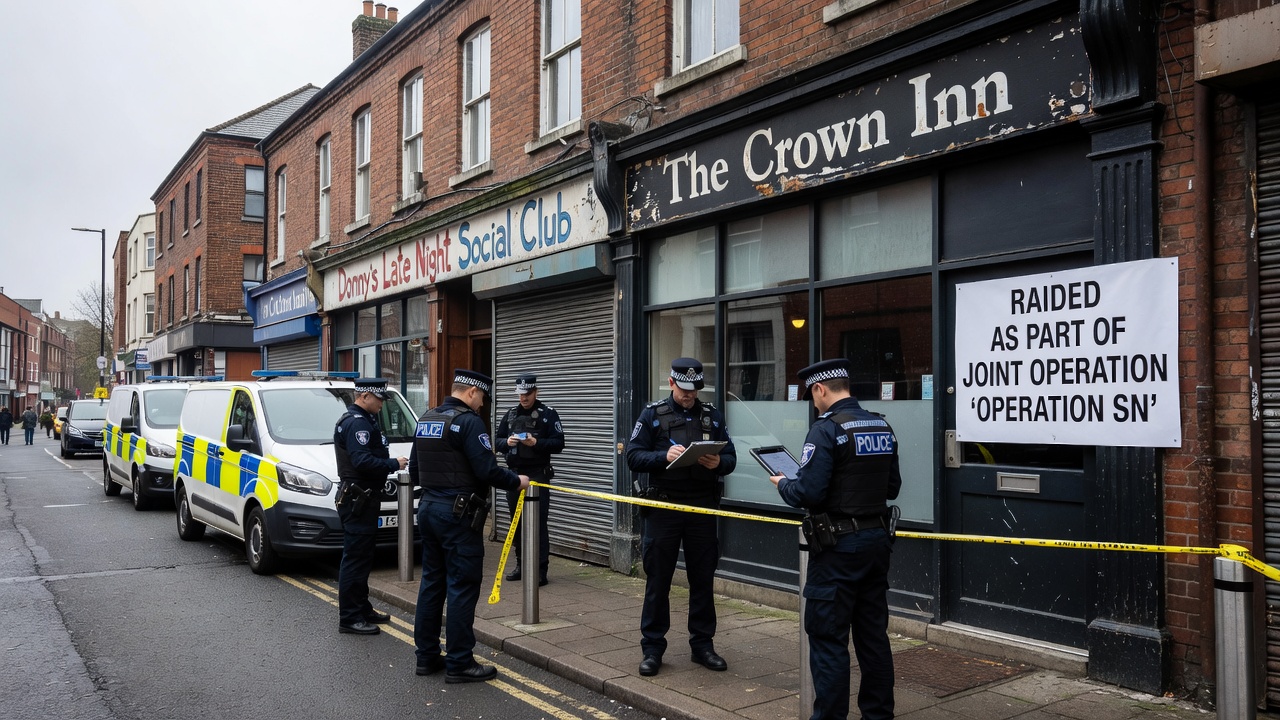
Authorities carried out coordinated raids on two unlicensed venues located in Doncaster city centre as part of Operation Snaresbrook, and officers from multiple agencies worked together to execute the action. The Gambling Commission coordinated with Immigration Enforcement, South Yorkshire Police, and teams from the City of Doncaster Council during the operation, which targeted sites operating without required licences under the Gambling Act 2005.
Details of the Coordinated Enforcement Action
Officers entered both venues during the raids and secured evidence that included poker tables along with slot machines and account books, while teams also recovered nearly £9,000 in cash from the premises. Eight individuals faced arrest on the day, and authorities charged one person with offences connected to the Gambling Act 2005 whereas seven others were detained on immigration-related matters. The operation demonstrated how agencies combine resources to address unlicensed gambling activity and associated regulatory breaches in a single location.
Agencies and Their Roles in the Raids
The Gambling Commission led the regulatory side of the investigation and focused on breaches of gambling legislation, whereas Immigration Enforcement handled checks related to the seven individuals detained for immigration offences. South Yorkshire Police provided operational support during the entries and secured the sites, while City of Doncaster Council officers contributed local knowledge and enforcement powers tied to premises licensing. Observers note that such joint efforts allow each body to apply its specific expertise without duplication of tasks, and the structure of Operation Snaresbrook reflected this approach from planning through to execution.
Evidence collected at the venues pointed to ongoing gambling activity that lacked the necessary authorisations, and officers documented the presence of gaming equipment alongside financial records that suggested regular operations. The seizures provided tangible items for further examination, and authorities took possession of the cash along with the tables, machines, and books to support ongoing inquiries. Those involved in the action confirmed that the venues had been operating without licences, which placed them outside the regulatory framework established by the Gambling Act 2005.
Outcomes and Immediate Follow-Up Steps
Following the arrests, one individual remained in custody on gambling-related charges while the remaining seven proceeded through immigration processes. Authorities continue to review the seized materials to determine whether additional charges or proceedings may arise from the account books and other records. The operation concluded without reported incidents of resistance, and teams cleared both sites once evidence collection finished.
Public records from the Gambling Commission outline the sequence of events and list the items removed from the venues, which aligns with standard procedure after such interventions. The figures released show the cash amount recovered reached nearly £9,000, and the equipment list covers poker tables plus slot machines that had been in use at the time of the raids. Further analysis of these items may reveal patterns of activity that extend beyond the initial findings.
Legal Framework Underpinning the Action
The Gambling Act 2005 sets out the requirement for venues to hold appropriate licences before offering gambling facilities, and the raids addressed clear violations of those provisions. Immigration Enforcement applied separate legislation when processing the seven individuals detained on immigration grounds, which allowed parallel but distinct lines of inquiry to proceed. Observers note that combining these frameworks in one operation maximises efficiency because each agency can act within its own mandate while sharing intelligence gathered on site.
Account books recovered during the raids contained entries that officers intend to cross-reference with other records, and this step forms part of the standard investigative process after unlicensed premises are identified. The presence of both cash and gaming equipment indicated active trading, which reinforced the decision to proceed with arrests at the time of entry. Authorities have not released additional details about the venues' prior history, yet the operation itself stands as a documented example of multi-agency coordination in Doncaster.
Conclusion
The raids under Operation Snaresbrook delivered concrete results through the arrest of eight people and the seizure of equipment and cash from two unlicensed sites. Agencies involved maintained their respective focuses while working within a shared operational structure, and the outcome provides a record of enforcement activity tied directly to the Gambling Act 2005 and immigration rules. Further review of the seized items continues, which may lead to additional proceedings as authorities complete their assessments.