Digital Wallet Integrations Reshaping Transaction Efficiency for Mobile Casino Users in Britain
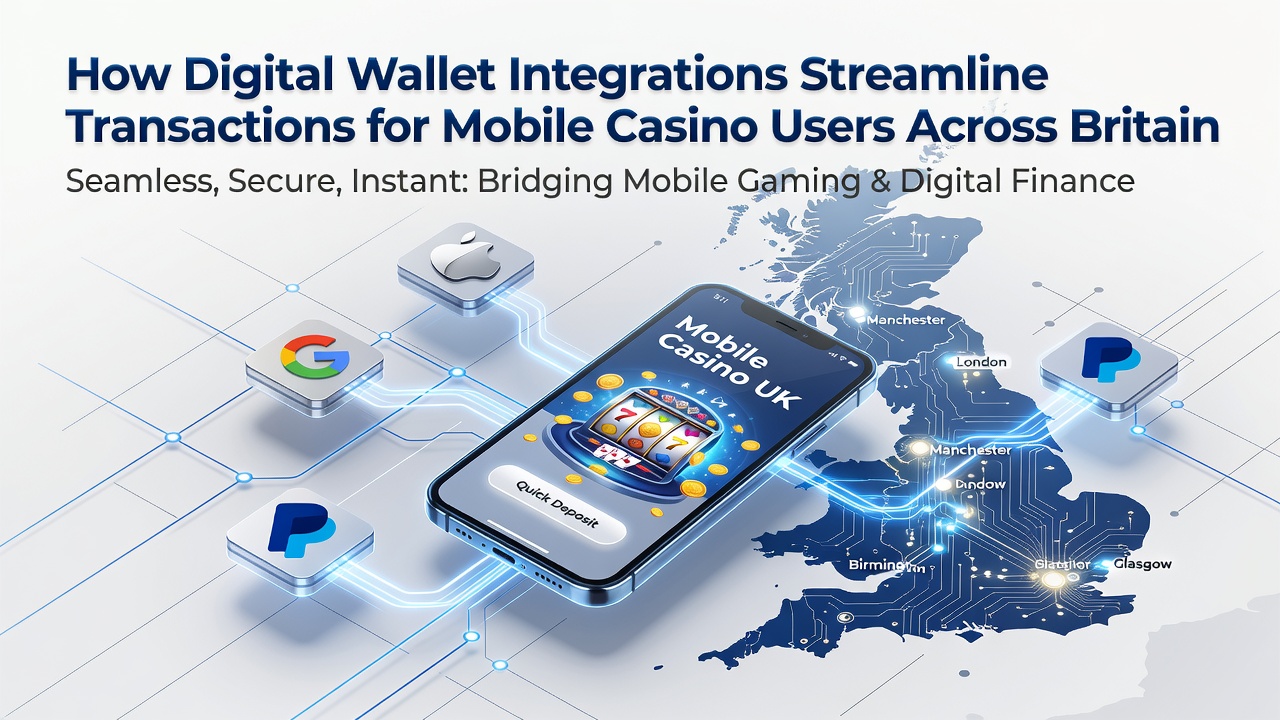
Data from payment industry analyses shows that digital wallet integrations have accelerated deposit and withdrawal processes for mobile casino platforms across Britain, reducing average transaction times from several minutes to under 30 seconds in many cases. Users connect accounts through services such as Apple Pay, Google Pay, and regional providers like Revolut or PayPal, which embed directly into app interfaces and bypass traditional card entry steps. This setup allows seamless fund transfers while maintaining compliance with existing financial regulations.
Expansion of Supported Payment Options
Payment providers expanded their reach into mobile casino ecosystems throughout 2025, and by early 2026 several platforms reported integration rates exceeding 70 percent among active British users. Researchers at payment technology firms documented how these connections enable instant verification through device biometrics rather than manual data input. The result appears in faster session starts since players avoid repeated card details across multiple sites.
Observers note that wallet providers now handle both deposits and withdrawals within the same ecosystem, which eliminates separate banking redirects for many transactions. Figures from European payment studies reveal that such streamlined flows cut failed transaction attempts by approximately 40 percent compared to legacy card methods.
Operational Mechanics Behind the Integrations
App developers embed wallet APIs that communicate directly with user devices during checkout sequences, pulling encrypted tokens instead of full financial credentials. This process activates in the background once initial authorization occurs, and subsequent transactions complete with a single confirmation tap. Industry reports indicate that these token-based systems maintain end-to-end encryption while complying with data protection standards applied across the European region.
What's interesting is how cross-border users benefit when wallets automatically convert currencies at point of transaction. Data released in mid-2025 showed average conversion fees dropping below 1 percent for integrated solutions, compared to higher markups through conventional processors. British players traveling within Europe experience consistent rates without additional steps.
Security Enhancements Through Wallet Protocols
Digital wallets introduce layered authentication that combines device passcodes with biometric checks, reducing reliance on shared passwords across casino accounts. Studies from financial security researchers highlight a measurable decline in account takeover incidents when platforms shift primary payments to wallet systems. Tokenization replaces card numbers with unique identifiers that expire after single use, limiting exposure even if interception occurs.
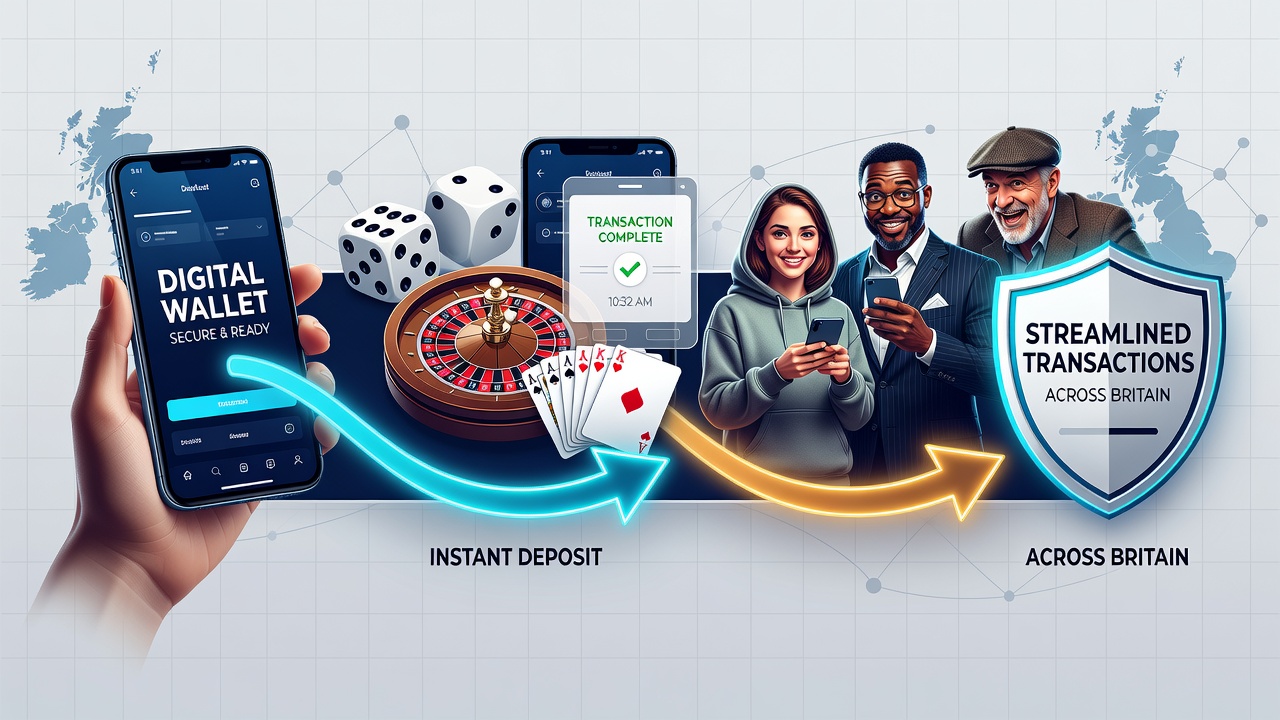
One case documented by analysts involved a major British-facing casino app that transitioned 85 percent of its volume to wallet channels by December 2025, resulting in fewer chargeback disputes. Regulators in multiple jurisdictions, including those referenced in Canadian financial oversight reports, have noted similar patterns where integrated wallets improve audit trails for transaction monitoring.
User Experience Patterns and Adoption Data
Surveys conducted by academic teams at European universities found that mobile casino users in Britain complete an average of 12 transactions monthly when wallets are available, versus eight when limited to cards or bank transfers. The convenience factor stems from stored preferences that auto-populate limits and preferred amounts, cutting decision time during play sessions. Participants in these studies frequently cited reduced friction at deposit prompts as the primary driver for repeated engagement.
Turns out that integration also supports micro-transactions more effectively since wallets process small amounts without minimum thresholds imposed by some card networks. Payment volume data collected through 2025 indicated a 25 percent rise in sub-£10 deposits among wallet-enabled apps. This shift aligns with broader trends toward flexible spending observed in other digital entertainment sectors.
Developments Expected Around June 2026
Industry forecasts project further API enhancements rolling out by June 2026, including deeper linkage with open banking frameworks that allow direct account-to-wallet transfers without intermediate cards. European Central Bank analyses on digital finance suggest these updates could standardize settlement times across platforms operating in Britain, bringing near-instant withdrawals to additional providers. Developers are already testing features that display real-time wallet balances inside casino apps to prevent overcommitment during extended sessions.
Those tracking payment adoption trends anticipate continued growth in wallet penetration as more users upgrade devices compatible with newer token standards. External research from Australian gambling technology reviews shows parallel adoption curves in comparable markets, reinforcing the pattern seen in British data.
Conclusion
Digital wallet integrations continue to refine how transactions occur within British mobile casino environments by shortening processing windows, strengthening authentication layers, and expanding accessible payment rails. Evidence from multiple payment and academic sources confirms consistent efficiency gains without compromising security protocols. As infrastructure matures toward mid-2026 benchmarks, these systems position themselves as central components in everyday mobile gaming operations across the region.