Detecting Risk in Real Time: Algorithms Flagging Problematic Play in UK Mobile Casino Interfaces
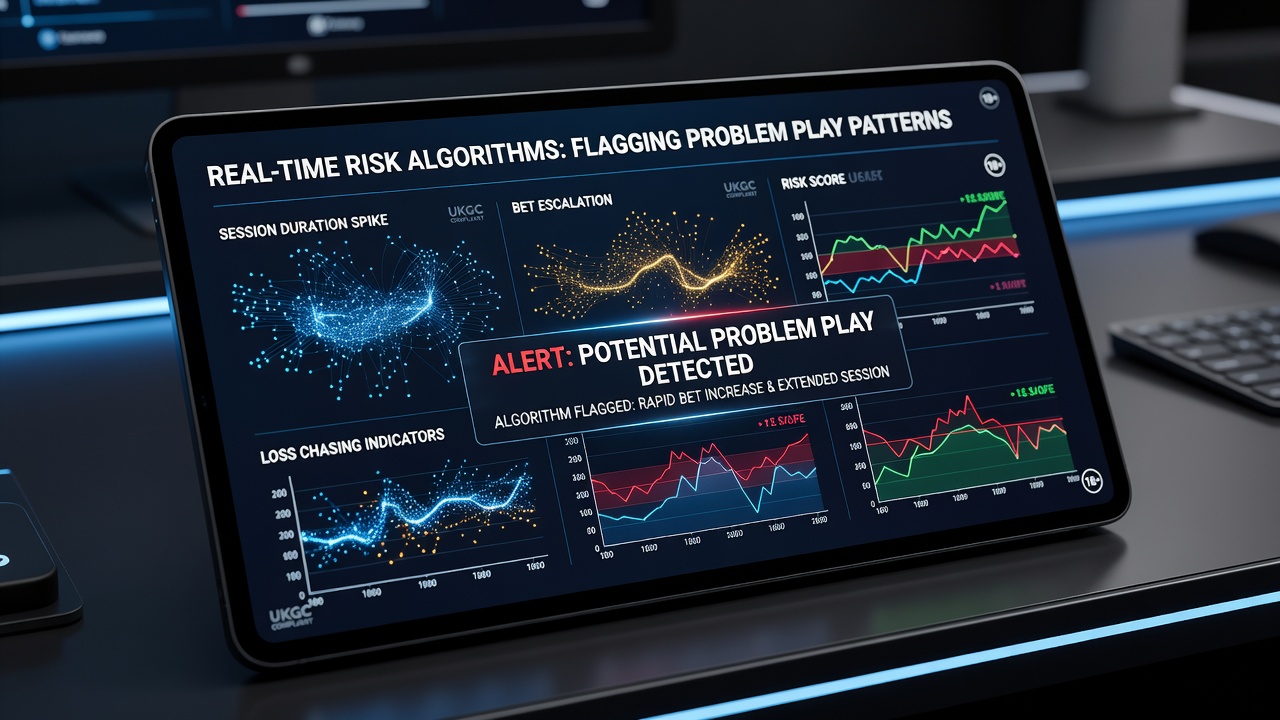
Real-time risk algorithms now operate at the core of many UK casino mobile platforms, scanning player activity second by second to identify emerging patterns associated with problem gambling; these systems combine behavioral data points such as bet frequency, session duration, deposit velocity, and loss-chasing sequences into predictive scores that operators use to trigger interventions. Developers integrate machine-learning models directly into app architectures so that every spin or hand contributes to an evolving risk profile without interrupting gameplay until thresholds are crossed.
Core Data Inputs and Processing Methods
Algorithms pull from multiple streams that include in-app telemetry, account history, and device-level signals, while researchers note that models trained on anonymized datasets from thousands of accounts achieve higher precision when they incorporate time-of-day variations and rapid switching between game types. Processing occurs on secure cloud servers that apply decision trees and neural networks in parallel, allowing the system to weigh recent activity against longer-term baselines within milliseconds, and this speed proves essential for mobile environments where players often engage in short, fragmented sessions throughout the day.
One study revealed that incorporating geo-location data alongside spending velocity improved detection rates by distinguishing between recreational travel patterns and compulsive location-independent play, and operators have begun testing these enriched models in controlled rollouts across several UK-licensed apps.
Patterns That Trigger Alerts
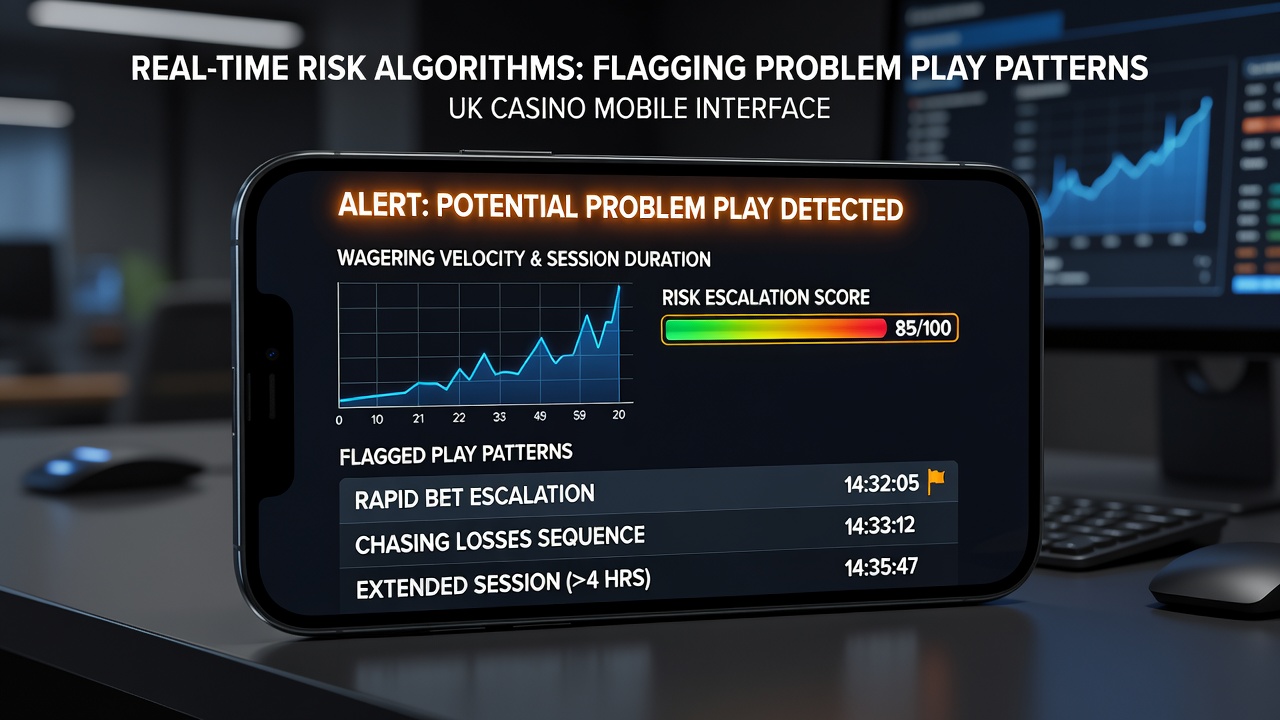
Systems flag several established markers that include consecutive losses followed by increased stake sizes, deposits made immediately after large withdrawals, and sessions exceeding predetermined time or spend limits within a rolling 24-hour window. Observers note that mobile interfaces present unique challenges because push notifications and one-tap deposit features can accelerate these sequences, so algorithms often adjust thresholds dynamically based on individual historical norms rather than applying universal cut-offs.
Researchers discovered that combining multiple weak signals produces stronger predictive power than relying on single indicators, which explains why platforms now track micro-behaviors such as hesitation pauses before high-stakes bets or repeated viewing of responsible-gambling information pages without subsequent action. These layered approaches reduce false positives while still catching emerging issues before financial harm escalates.
Integration With Player-Facing Features
When an algorithm registers elevated risk, the app may display personalized messages, temporarily limit deposit amounts, or suggest a cooling-off period, and these responses are calibrated through A/B testing to maximize user acceptance while maintaining regulatory compliance. Data from the Victorian Responsible Gambling Foundation shows that early, low-friction interventions achieve better long-term engagement with harm-reduction tools than abrupt account restrictions.
App developers coordinate with third-party analytics providers to refine model accuracy, and some platforms now share aggregated, anonymized trend data with academic teams studying gambling behavior across different device types. This collaboration supports continuous improvement without exposing individual player identities, and updates scheduled for June 2026 aim to standardize certain data fields across operators to facilitate broader comparative research.
Technical and Regulatory Landscape
Security requirements demand that all processing occurs within encrypted environments that meet ISO 27001 standards, while latency targets remain under 200 milliseconds to avoid noticeable delays during live dealer or slot sessions. External audits conducted by independent labs verify that algorithms do not discriminate on protected characteristics and that intervention logic remains transparent enough for regulatory review.
Industry organizations such as the National Council on Problem Gambling have published frameworks that operators reference when designing alert thresholds, and these guidelines emphasize proportionality so that recreational users experience minimal friction while higher-risk accounts receive earlier support. Mobile-specific considerations include battery and data usage, leading teams to optimize model complexity so that real-time scoring does not drain device resources excessively.
Future Refinements and Broader Context
Work continues on incorporating biometric signals from device sensors, such as typing speed or grip pressure, though ethical and privacy reviews currently limit widespread deployment of these features. Teams also explore federated learning techniques that allow models to improve across multiple operators without centralizing raw player data, thereby addressing both accuracy and confidentiality concerns simultaneously.
Those who've studied implementation timelines observe that phased rollouts, beginning with voluntary opt-in programs, tend to generate higher user trust and more reliable feedback loops for further tuning. As mobile interfaces evolve, the same algorithmic infrastructure supports additional use cases including personalized game recommendations that steer players toward lower-volatility options when risk scores rise.
Conclusion
Real-time risk algorithms represent a growing component of UK casino mobile operations, combining rapid data processing with established behavioral markers to surface potential issues before they intensify. Continued refinement through academic partnerships and standardized reporting practices supports more precise detection while preserving player privacy and gameplay flow, and developments expected around June 2026 will likely expand the data foundations available for these systems across the sector.