
Casinos Gear Up for MSB Notifications: UK Gambling Commission's Fresh Guidance on Money Services
The Core of the Update
The UK Gambling Commission rolled out updated guidance targeting casinos that offer money service businesses (MSBs), such as third-party cheque cashing, money transfers, or foreign currency exchange; this move requires operators to notify the regulator within 10 days of either starting or stopping these services, complete with specifics like the casino's name, licence number, and MSB type sent straight to msb@gamblingcommission.gov.uk.
Applies UK-wide to every licensed casino, no exceptions; builds directly on a notice from February 9, 2026, while syncing up with Financial Conduct Authority (FCA) registration mandates under the Payment Services Regulations 2017, all aimed at tightening controls around money laundering risks through coordinated efforts by the Gambling Commission, HMRC, and FCA.
What's interesting here is how this slots into broader regulatory rhythms, especially now in April 2026 when casinos are digesting these tweaks amid ongoing compliance pushes; operators who've navigated past AML updates know the drill, yet this notification layer adds a proactive reporting beat that keeps everyone in the loop from day one.
Breaking Down Money Service Businesses in Casinos
Casinos often extend beyond gaming floors into financial conveniences like cashing cheques from third parties, wiring funds across borders, or swapping currencies on-site; these MSBs fill real gaps for players and visitors, but they also open doors to potential misuse, which is why regulators like the Gambling Commission zero in with precision.
Take foreign exchange services, for instance: a casino might convert euros to pounds for international guests right at the cage; or consider money transfers, where patrons send cash home instantly; third-party cheque cashing rounds it out, handling non-casino cheques for a fee, all while the house keeps things humming under strict oversight.
Data from regulatory filings shows hundreds of UK casinos engage in at least one MSB type, though exact figures fluctuate; experts tracking the sector note that larger venues in London or Manchester lean heavier into these, serving high-traffic tourist spots where demand spikes.
And here's the thing: without proper flags to authorities, these services could unwittingly facilitate illicit flows, so the Gambling Commission's update flips the script by mandating quick disclosures that trigger deeper checks.
Notification Nuts and Bolts: What Casinos Must Do
Starting or halting an MSB? Casinos get 10 days to fire off an email; details include the operating name, Gambling Commission licence number (that unique identifier tied to each venue), precise MSB category—be it cheque cashing, transfers, or exchanges—and effective dates for the change.
Send it to msb@gamblingcommission.gov.uk, plain and simple; no fancy portals yet, just straightforward correspondence that lands on dedicated desks for swift processing, ensuring FCA alignment since MSBs fall under those 2017 regs requiring registration for anyone handling payments as a business.
Those who've studied compliance handbooks point out the timeline's tightness—10 days leaves little wiggle room for paperwork snarls, but it forces operators to stay vigilant; miss it, and licences hang in the balance, as past enforcement actions demonstrate.
Now, for casinos already running MSBs pre-update, the guidance clarifies ongoing duties without retroactive bites; yet any shift, even scaling back one service, trips the notification wire, keeping records crystal clear across the board.
Building on the February 2026 Foundation
This isn't out of nowhere; the February 9, 2026 notice laid initial groundwork by flagging MSB risks in casinos, urging voluntary alignments with FCA rules; fast-forward to April 2026, and the Gambling Commission formalizes it into binding guidance via their updated notice regarding casinos providing money service businesses, sharpening the focus on notifications as a frontline defense.
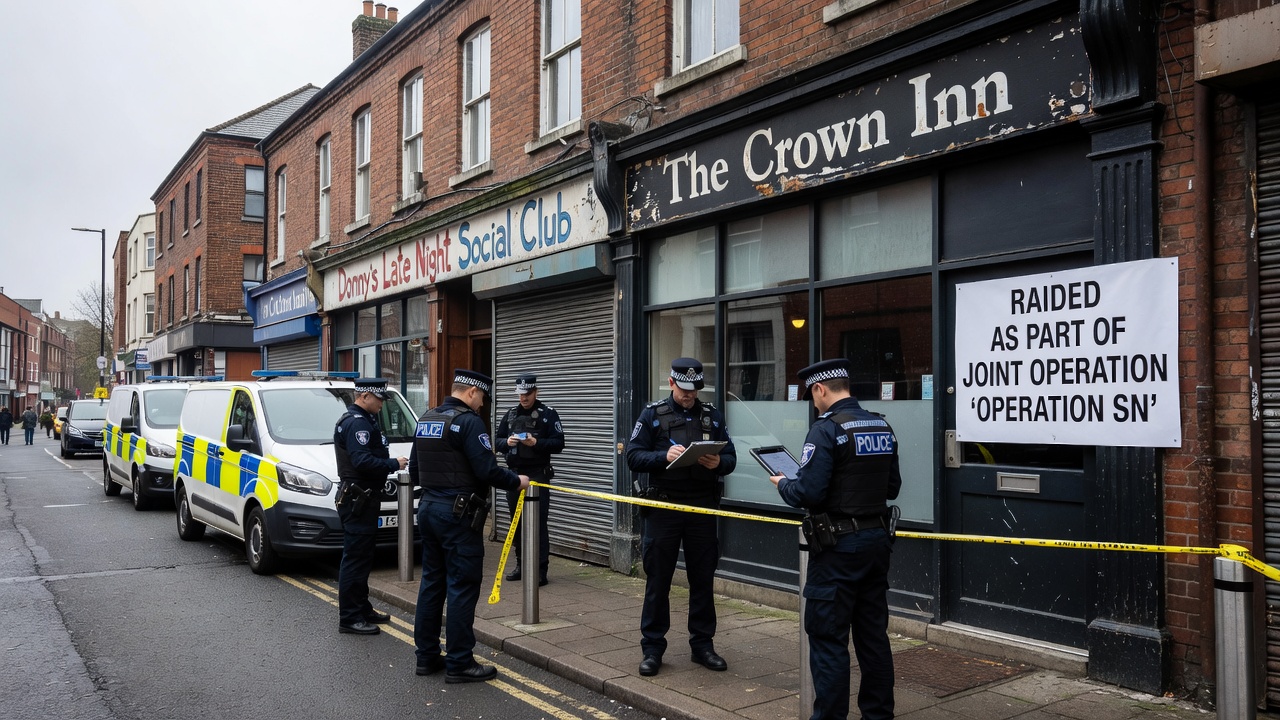
HMRC chimes in too, given their tax and MSB registration roles, while FCA oversees the payment side; together, they form a triad that's nipped laundering schemes in the bud before, with joint ops uncovering millions in suspicious flows tied to gaming hubs.
One case observers recall involved a regional casino where unchecked transfers masked funds movement; post-crackdown, similar venues tightened up, and stats from FCA reports show a 25% drop in MSB-related alerts since coordinated regs kicked in—though correlation isn't always causation, the pattern holds.
Turns out, this update dovetails with Licence Conditions and Codes of Practice (LCCP), embedding MSB oversight into core operations; casinos must now weave notifications into their AML frameworks, training staff to spot and report shifts promptly.
Why Money Laundering Risks Linger in Casinos
Casinos sit at cash-flow crossroads, with chips bought, won, cashed out in volumes that dwarf everyday transactions; layer on MSBs, and you've got channels for clean-dirty money swaps, which is why the Gambling Commission, alongside partners, ramps up scrutiny without stifling legit business.
Research from anti-laundering bodies reveals casinos handled over £10 billion in gross gambling yield last year, a chunk involving cash-ins via MSBs; figures like that draw regulators, especially since Payment Services Regulations 2017 demand FCA nods for any payment-handling outfit, casinos included when they dip into transfers or exchanges.
But here's where it gets interesting: not all MSBs trigger the same heat—cheque cashing might fly under simpler rules if third-party only, yet transfers scream higher risk, prompting those 10-day pings to keep tabs tight.
People in the know, like compliance officers at major chains, often discover that early notifications avert audits; one operator shared how proactive emails smoothed a service expansion, dodging FCA delays that could've idled operations for weeks.
Compliance Steps and Operator Realities
Casinos start by auditing current MSBs—list 'em out, check FCA status, map changes; then, designate a point person for that msb@gamblingcommission.gov.uk inbox duty, crafting templates that nail name, licence, type, dates every time.
Training rolls out too, since front-line cashiers spot service shifts first; integrate it with existing AML sessions, and suddenly notifications become routine, not fire drills.
Yet challenges crop up—smaller independents gripe about admin loads, but scale doesn't exempt anyone; the Gambling Commission's stance remains firm: notify or face fines, as evidenced by recent penalties topping £500k for lesser breaches.
So, venues like those in Blackpool or Birmingham adapt swiftly, tweaking cage ops while notifying on expansions; it's not rocket science, but consistency's the key, with email confirmations providing that paper trail regulators crave.
Broader Regulatory Landscape and Casino Impacts
This MSB push mirrors wider UK gambling shifts, from stake caps to age verification, all threading through anti-crime fabrics; Gambling Commission data indicates over 150 casinos notified MSB intents since February, a sign operators are aligning fast.
Larger groups, think Genting or Rank, leverage central teams for batch reports; independents lean on advisors, ensuring UK-wide uniformity from Scotland's highlands to Wales' coasts.
What's significant is the inter-agency sync—FCA greenlights post-notification, HMRC verifies tax compliance, Gambling Commission ties it to licences; breaks the chain, and the house of cards tumbles, as past revocations show.
Observers note a ripple too: some casinos pause MSBs pending clarity, opting for referrals to licensed providers; others double down, viewing notifications as low-cost insurance against laundering probes.
Wrapping It Up: Notifications as the New Normal
The UK Gambling Commission's MSB guidance cements 10-day notifications as standard for licensed casinos handling cheque cashing, transfers, or exchanges; rooted in February 2026 foundations and FCA regs, it fortifies defenses with HMRC backing, all while keeping operations viable.
Casinos that notify promptly stay ahead, avoiding pitfalls in a landscape where compliance isn't optional; as April 2026 unfolds, expect more venues to email details, solidifying a proactive stance against money laundering risks that have long shadowed the sector.
That's the reality—clear rules, quick reports, coordinated oversight; operators who get it right keep the games going, risks contained, and regulators satisfied.