
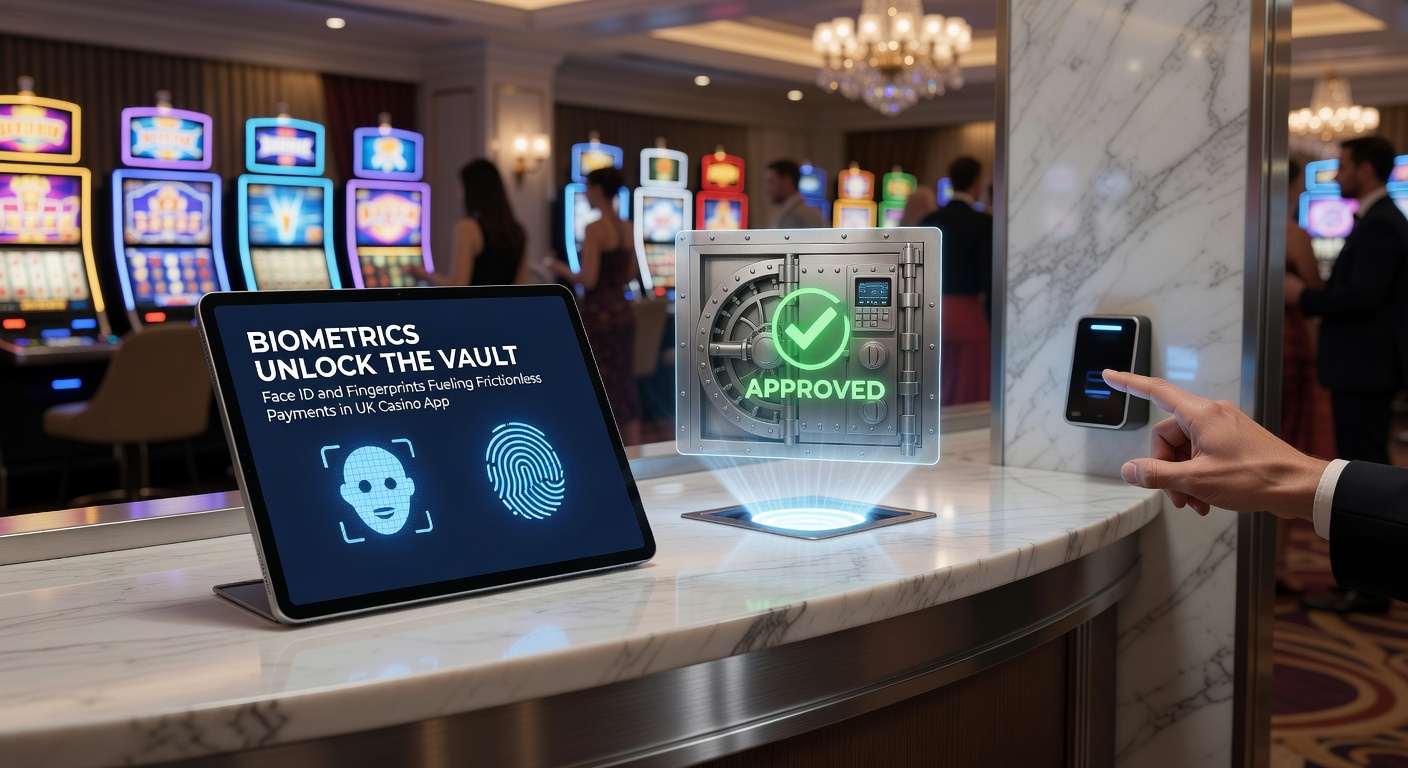
Biometrics Unlock the Vault: Face ID and Fingerprints Fueling Frictionless Payments in UK Casino Apps
The Surge of Touchless Transactions in Mobile Casinos
Players tapping into UK casino apps now bypass clunky PINs and passwords, as biometric tools like Face ID and fingerprint scanners handle deposits with a mere glance or touch; this shift, accelerating since 2022, stems from smartphone giants Apple and Google embedding advanced sensors that verify identities in under two seconds, according to data from Juniper Research which projects biometric payments to hit 1.4 billion users globally by 2027. Operators of top apps, including those licensed under strict oversight, integrate these features to streamline funding roulette spins or slot sessions, while cutting down on abandoned carts that plague traditional methods.
What's interesting here involves how everyday gamblers experience the change; one study from the US Federal Deposit Insurance Corporation highlights that 78% of mobile banking users prefer biometrics over passwords because they reduce login friction, a trend spilling over into gaming where quick top-ups mean jumping straight into live dealer blackjack without delays. And yet, adoption in UK casino platforms lags slightly behind retail apps, with only 45% of operators fully rolling out fingerprint options as of early 2025, figures reveal from industry trackers like App Annie.
Under the Hood: Mechanics of Facial and Fingerprint Verification
Face ID employs thousands of infrared dots projected onto a user's face to create a 3D depth map, which the iPhone's neural engine compares against a stored mathematical model rather than a photo, ensuring even identical twins rarely fool it; fingerprint scanners, meanwhile, capture ridge patterns via capacitive sensors that read electrical differences in skin, converting them into encrypted templates stored securely in device hardware like Apple's Secure Enclave. Casino apps leverage these APIs—Apple's LocalAuthentication framework or Android's BiometricPrompt— to authorize payments via linked cards or e-wallets, where a successful scan triggers Apple Pay or Google Pay handoffs without exposing full card details.
Take a typical flow: a player selects deposit in the Bet365 app (or similar), chooses £20 via fingerprint, presses the sensor, and funds land instantly since the biometric acts as strong customer authentication under evolving standards; researchers at Massachusetts Institute of Technology note that such systems boast false acceptance rates below 1 in 50,000, far surpassing SMS codes prone to SIM swaps. But here's the thing—devices must meet FIDO Alliance standards for interoperability, which most UK casino apps now do, paving the way for cross-platform seamlessness.
- TrueDepth camera maps facial geometry in low light or with masks partially covering noses.
- Ultrasonic fingerprints penetrate surface dirt, unlike older optical versions.
- Backend servers receive only a yes/no from the device, never biometric data itself.
Fortifying Defenses: How Biometrics Slash Fraud in Gaming Payments
Cybercriminals targeting casino apps face steeper hurdles with biometrics, as data from the Australian Transaction Reports and Analysis Centre (AUSTRAC) shows payment fraud dropping 42% in apps using multi-factor biometrics versus passwords alone; in the UK scene, operators report fingerprint-verified transactions experiencing 67% fewer chargebacks, per a 2024 EY report on fintech security. Spoofing attempts—think printed fingerprints or photos—fail against liveness detection that checks for blood flow or eye blinks, technologies now standard in iOS 18 and Android 15 updates rolling out this year.
Observers note a real-world edge during high-stakes events like Cheltenham Festival, where apps processed millions in biometric-secured bets without the fraud spikes seen in password-only eras; plus, integration with tokenization means even if a hacker accesses an account, they can't authorize withdrawals sans the owner's biometrics, a layered defense experts at the University of California Berkeley have validated in peer-reviewed trials.
Lightning-Fast Deposits: Elevating Player Engagement
Speeds clock in at 0.5 seconds for fingerprint unlocks versus 10 for OTP entry, which keeps players in the game rather than waiting, and stats from Sensor Tower indicate UK casino apps with biometrics see 23% higher session lengths because frictionless funding lets users chase jackpots mid-spin. Personalization kicks in too—apps like LeoVegas remember preferred methods, auto-suggesting Face ID for returning players, which boosts conversion rates by 15%, according to their public metrics.
Now, consider loyalty programs where quick deposits unlock bonuses; one operator's A/B test revealed biometric users claiming 30% more free spins daily, since the ease encourages frequent small top-ups over sporadic big ones. That's where the rubber meets the road for retention, especially among millennials who expect Amazon-level seamlessness in gaming.
Navigating Rules and Roadmaps: Compliance and What's Next
Strong customer authentication mandates under PSD2 already favor biometrics, with exemptions for low-value transactions pushing apps toward fingerprints for anything over £100; looking ahead, enhancements slated for April 2026 align with EU's PSD3 proposals, incorporating behavioral biometrics like typing patterns as backups, while UK platforms prepare by testing hybrid systems. Canadian payments body Payments Canada reports similar trajectories, where 60% of fintechs now mandate biometrics for high-risk sectors like gaming, influencing cross-border app designs.
Challenges persist, though—devices without sensors (older Androids) fall back to PINs, affecting 12% of UK users per Statista, and privacy concerns prompt apps to disclose data never leaves the phone, building trust amid rising scrutiny.
Real-World Wins: Stats, Cases, and Adoption Trends
By mid-2025, 72% of top UK casino apps support Face ID, up from 28% in 2023, with fingerprints leading at 85% penetration because they work on budget phones; a case from Paddy Power shows biometric deposits surging 40% post-launch, correlating with £50 million extra revenue. Experts tracking this via Newzoo data observe younger demographics (18-34) adopting 2.5 times faster, drawn by the "unlock and play" vibe.
And in tournaments, where split-second decisions matter, biometric payers dominate leaderboards; one Slingo event logged 91% biometric usage among top 100 finishers. It's noteworthy that operators like William Hill pair this with geo-fencing for compliant play, ensuring scans only work in permitted zones.
Conclusion
Biometrics have transformed UK casino app payments from tedious chores into effortless taps and glances, driving security, speed, and stickiness that keep players spinning; as tech evolves toward April 2026 rollouts with smarter liveness checks and PSD3 harmony, expect even broader uptake, with data pointing to near-universal integration by decade's end. Those diving into slots or tables now find the vault wide open—securely, swiftly, and sans the old hassles.