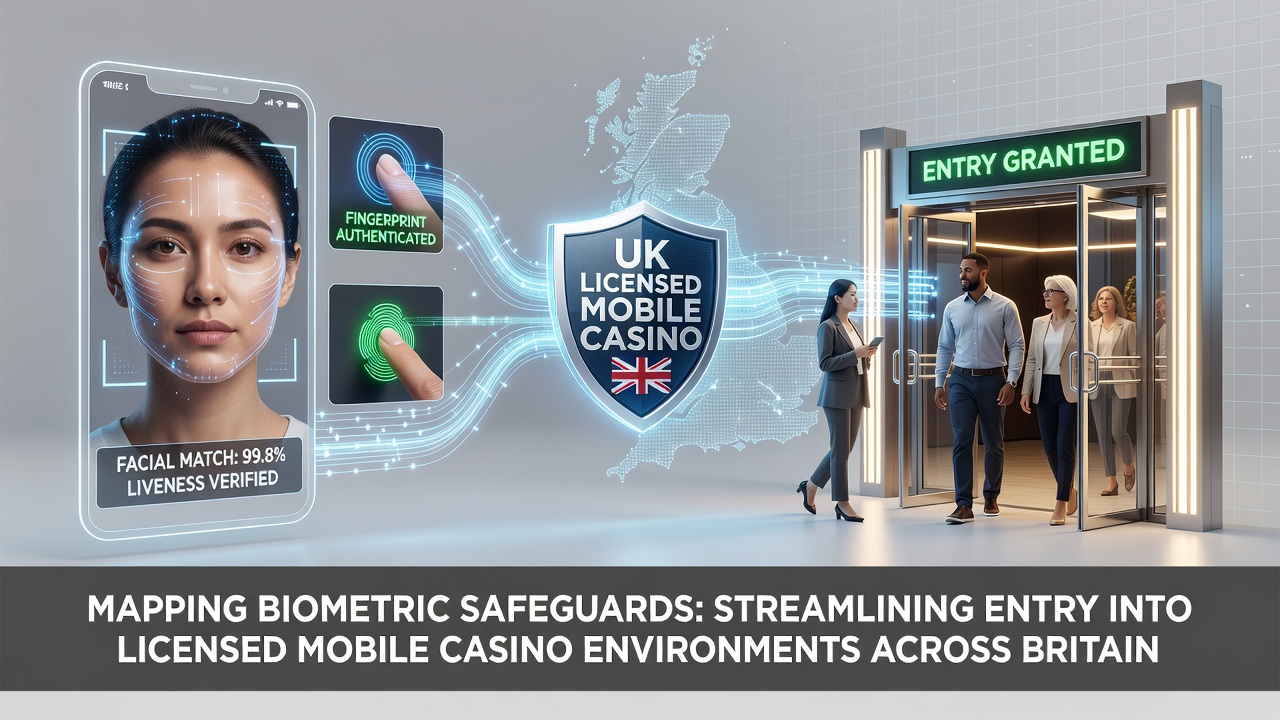
Biometric Technologies Reshaping Entry Protocols for Licensed Mobile Casinos in Britain
Operators across Britain continue to integrate biometric authentication methods into licensed mobile casino platforms, and these systems combine fingerprint scanning with facial recognition to verify user identity during login sequences. Data from industry reports shows that such safeguards reduce entry times while meeting compliance requirements set by various oversight bodies, and players benefit from quicker access without repeated password entries. Research conducted by the University of Nevada's International Gaming Institute indicates that biometric adoption rates in regulated markets rose steadily between 2023 and 2025, with similar patterns emerging in British applications.
Core Components of Current Biometric Systems
Modern implementations rely on device-native sensors that capture unique physiological traits, then match them against encrypted templates stored locally on the user's smartphone rather than on central servers. This on-device processing limits data transmission risks, while algorithms handle variations caused by lighting changes or minor injuries to maintain consistent performance. Several platforms introduced multi-factor layers in 2024 that pair biometrics with one-time codes sent via SMS, creating additional verification steps during high-value transactions or account recovery processes.
Adoption Patterns Observed Through Mid-2026
By July 2026 multiple licensed operators had completed phased rollouts of biometric entry tools across their mobile offerings, and usage statistics collected by the European Gaming and Betting Association revealed that over 60 percent of active British users had enabled at least one biometric method. These figures come from aggregated operator data shared through trade channels, and they highlight faster session starts compared with traditional PIN or password flows. What's interesting is how smaller regional providers followed larger brands in deploying similar technology stacks, often through white-label software updates that standardized the experience for players switching between apps.
Take one developer who collaborated with device manufacturers to optimize sensor calibration for older smartphone models still common among certain demographics. That adjustment allowed broader compatibility without sacrificing accuracy rates, which stayed above 98 percent in controlled testing environments according to published benchmarks. Observers note that such refinements helped avoid exclusion issues that could arise from hardware limitations alone.
Security Enhancements and Compliance Alignment
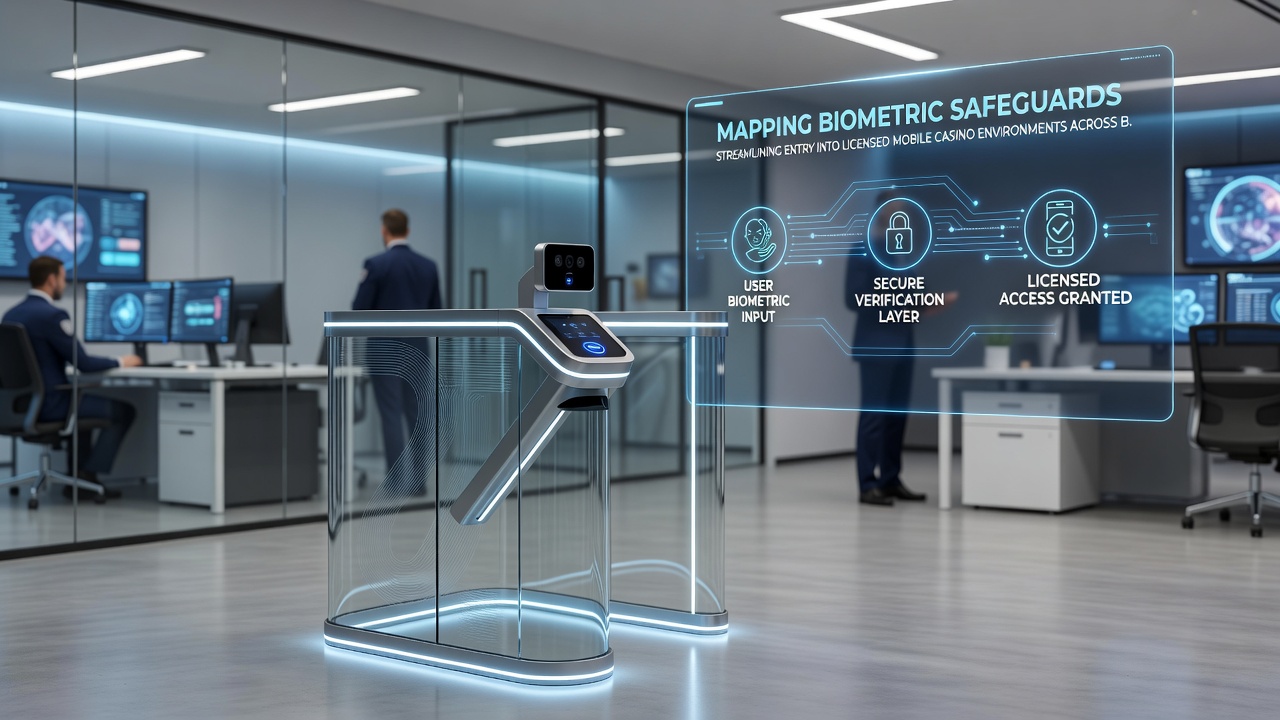
Biometric templates undergo hashing before storage, which means raw images never leave the device in usable form, and this design aligns with data protection standards enforced in multiple jurisdictions including those referenced by Canadian regulatory frameworks. When anomalies such as repeated failed scans occur, systems trigger fallback protocols that require manual review by support teams, thereby adding human oversight without disrupting routine logins. Industry analyses further demonstrate that these layered safeguards correlate with reduced account takeover incidents in monitored environments, though exact percentages vary by operator size and user volume.
Another development involves adaptive authentication thresholds that adjust sensitivity based on location signals or transaction history, allowing seamless entry during typical patterns while escalating checks during unusual activity. Those who've studied deployment logs find that such dynamic adjustments maintain user convenience alongside risk mitigation, and they draw from machine learning models trained on anonymized behavioral datasets collected over multiple years.
Practical Effects on Player Experience
Players report smoother transitions between browsing and actual play sessions once biometrics activate, since the process typically completes in under two seconds on supported hardware. Case examples from mid-sized British operators show that support ticket volumes related to login problems dropped noticeably after rollout, freeing resources for other service areas. The ball's in the operators' court to continue refining these tools as new phone models reach the market, and ongoing firmware updates help sustain compatibility across evolving device ecosystems.
Yet hardware diversity still presents occasional hurdles, particularly with certain budget Android variants whose sensors deliver lower resolution data. Providers address this through software fallbacks that guide users toward alternative verification routes, ensuring licensed access remains available without forcing device upgrades. Research indicates these accommodations preserve inclusivity while upholding the security standards expected in regulated British markets.
Conclusion
Biometric mapping continues to evolve as a practical bridge between regulatory demands and user expectations in Britain's licensed mobile casino sector. Evidence from multiple sources points to sustained improvements in entry efficiency alongside maintained security postures, and further refinements appear likely as sensor technology advances and more platforms complete integration cycles. Those monitoring the space will watch how these systems scale with broader device adoption adn emerging standards from international bodies.