
Algorithms Behind the Screen: How Machine Learning Customizes Game Picks for British Casino App Users
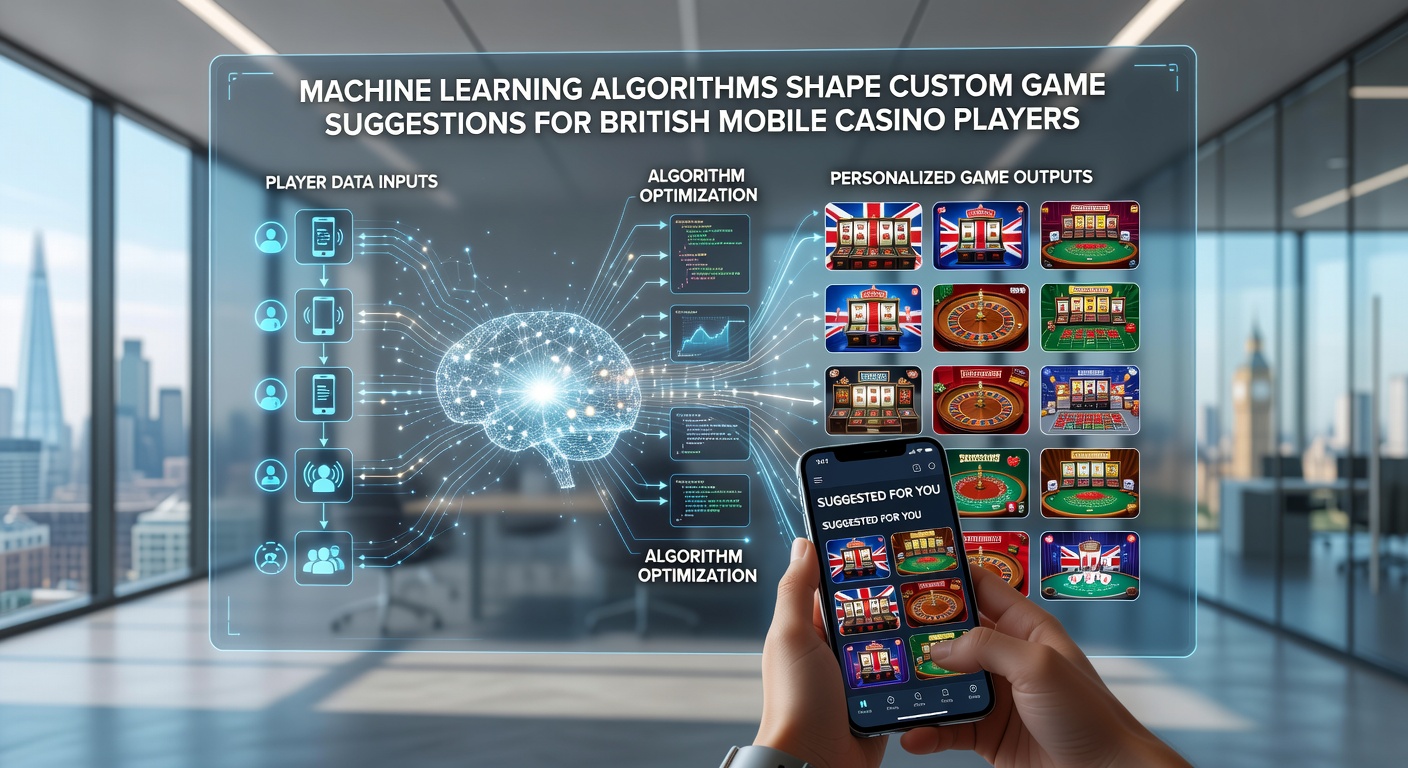
Machine learning systems now analyze player behavior patterns across British mobile casino platforms to generate individualized game suggestions that match historical preferences and session data. These algorithms process vast datasets including spin frequency, bet sizing, and game category interactions while they identify clusters of similar users to refine output accuracy over time.
Core Mechanisms Driving Personalization
Collaborative filtering forms one foundation of these systems and it compares an individual’s activity against aggregated profiles to predict appeal for unplayed titles. Content-based approaches meanwhile examine game attributes such as volatility levels and theme elements then match them directly to a player’s established tastes. Reinforcement learning models adjust recommendations in real time based on immediate feedback from clicks and play duration which allows the system to shift suggestions within a single session.
Studies conducted by academic teams at institutions including the University of Alberta demonstrate that hybrid models combining these techniques achieve higher retention metrics than single-method approaches. Industry observers note that such integration has become standard practice among major operators serving UK audiences by mid-2026.
Data Inputs and Processing Scale
Mobile apps collect signals from device sensors, touch patterns, and time-of-day activity in addition to traditional gameplay logs. These inputs feed into neural networks that segment users into dynamic groups rather than fixed demographics. One study from Canadian research centers found that incorporating location-derived context, such as urban versus rural play sessions, improved prediction precision by measurable margins without violating data protection standards.
Implementation Across Major Platforms
Operators deploy these tools through backend infrastructures that update suggestion carousels several times per minute. Players encounter tailored rows labeled “Based on your recent play” or “Similar to titles you enjoyed” while teh underlying logic remains invisible. Reports from European gaming technology conferences indicate that adoption rates among apps targeting British users reached significant penetration levels during 2025 and continued expanding into the following year.
Take the case of a mid-sized developer that integrated a gradient boosting framework; their internal metrics showed increased engagement with suggested titles compared to random or popularity-based displays. Such outcomes align with broader findings published by the Gaming Laboratories International research division which examined algorithmic performance across multiple jurisdictions.
Regulatory and Technical Considerations
Frameworks from bodies like the International Association of Gaming Regulators emphasize transparency requirements around automated decision-making. Developers respond by maintaining audit logs that document how specific features influence each recommendation. Technical teams also apply fairness constraints to prevent over-representation of high-house-edge options within suggestion sets.
As systems matured through 2026, integration with responsible gaming modules became more common. Algorithms began incorporating session length thresholds and spend velocity indicators to modulate suggestion frequency during extended play periods. Observers have documented these adjustments in technical papers presented at events hosted by Australian and North American research groups.
Conclusion
Machine learning continues to refine the way game suggestions reach British mobile casino users through iterative improvements in data handling and model architecture. The combination of established techniques with emerging real-time capabilities produces outputs that adapt alongside individual behavior patterns. Ongoing work by research institutions across multiple continents supplies the evidence base that guides further deployment while technical standards evolve in parallel.